Guides, 28 min read
Luxury Furniture in Tanzania: How to Choose Furniture for a High End Home
Learn how to select luxury furniture for a high end home in Tanzania. Explore premium materials, bespoke furniture, craftsmanship, interior styling and practical advice for creating elegant, comfortable and lasting spaces.
Joseph Mnyika, 9 October 2026
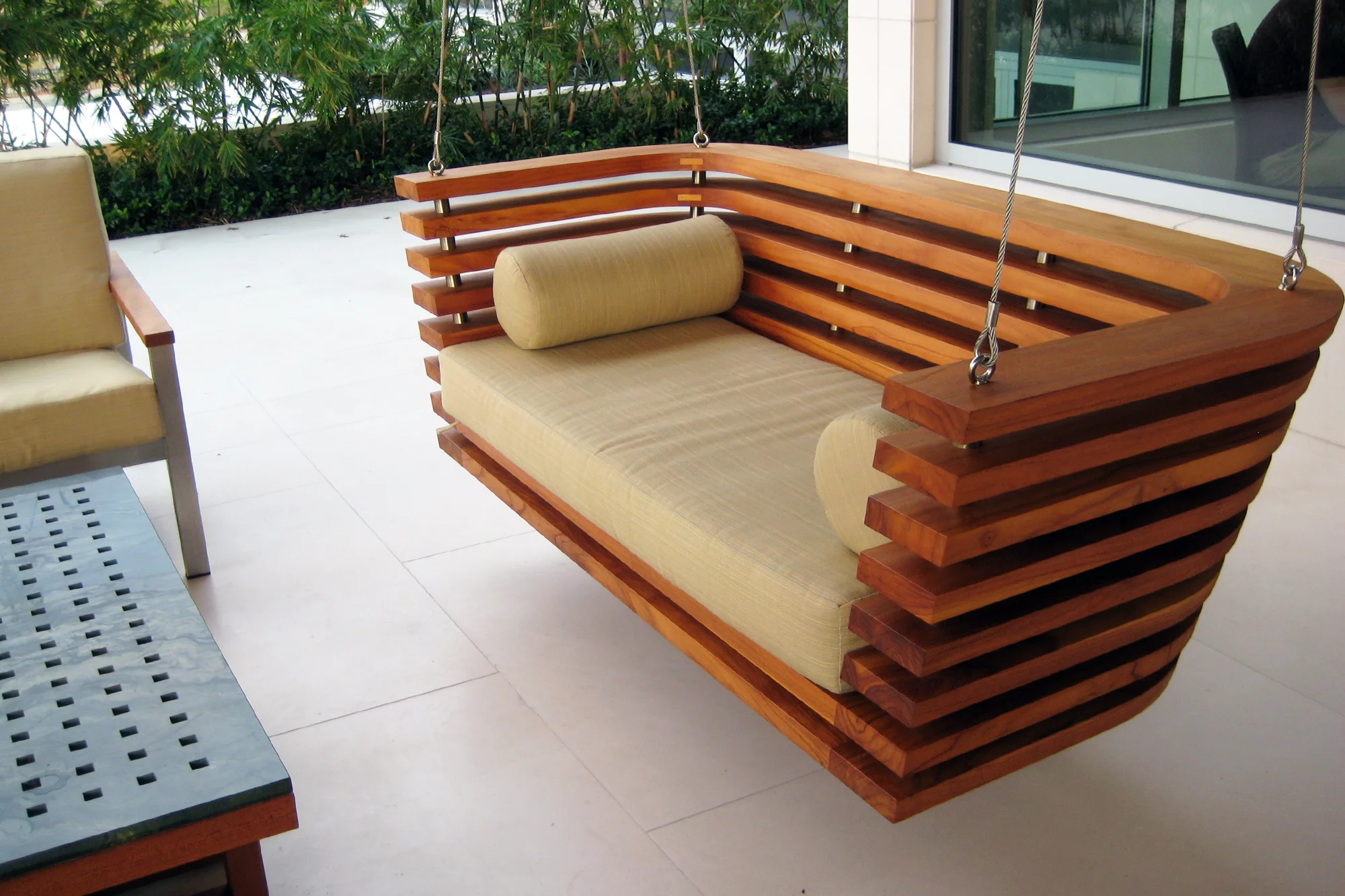
Luxury furniture in Tanzania is about more than expensive materials, impressive dimensions or recognisable furniture styles. In a well designed home, luxury is experienced through the way furniture fits the architecture, the comfort of a chair, the texture of natural timber, the quality of the joinery and the ease with which every room serves its purpose.
A spacious villa in Dar es Salaam may require a different furniture approach from a contemporary residence in Arusha, a coastal home in Zanzibar or a private property overlooking Lake Victoria. Each has its own architectural character, environmental conditions and way of living.
The challenge is choosing furniture that brings these elements together without making the home feel overdesigned, uncomfortable or difficult to maintain.
For some homeowners, this means investing in a solid timber dining table that becomes the centre of family gatherings. For others, it means commissioning a bespoke bed, selecting carefully proportioned lounge furniture or designing an entire interior around a consistent palette of timber, stone, metal and textiles.
The most successful luxury interiors are rarely created by purchasing the most expensive item in every category. They are created through considered decisions about proportion, materials, craftsmanship, comfort and the relationship between individual pieces.
This guide explains how to choose luxury furniture for a high end home in Tanzania, how to evaluate premium materials, when custom furniture makes sense, what to consider about the local climate and how to create an interior that remains relevant for years.
The objective is simple: choose furniture that looks exceptional, works beautifully and belongs in the home it was made for.
What Defines Luxury Furniture?
Luxury furniture is often associated with premium timber, designer upholstery, elegant silhouettes and meticulous finishing. These characteristics can contribute to quality, but none of them independently guarantees a luxurious result.
A beautifully finished dining table can still be unsuitable if its proportions overwhelm the room. An expensive sofa can be disappointing if the seat depth is uncomfortable. A wardrobe made from premium materials can become a poor investment if its internal layout does not meet the homeowner's needs.
True luxury furniture brings together several qualities.
Material quality
The material should be appropriate for the furniture's purpose and should contribute to both appearance and performance. Solid timber, carefully selected veneers, quality upholstery, natural stone and well finished metal can all play a role in a premium interior.
Design and proportion
Furniture should have dimensions that suit the room, ceiling height, circulation and other architectural features. The objective is not simply to fill a space but to create visual balance.
Craftsmanship
Clean edges, accurate joints, well aligned drawers, consistent finishes and carefully fitted hardware reveal the quality of construction.
Comfort and functionality
Furniture should make daily life better. A lounge chair needs to support the body comfortably, a dining table should accommodate the people using it, and a wardrobe should provide storage that reflects the homeowner's habits.
Longevity
Luxury furniture should be selected with its useful life in mind. Durable construction, appropriate materials and repairable components can help a piece remain valuable long after short lived trends have changed.
A useful way to evaluate a potential purchase is to ask five questions:
- Does it suit the room?
- Is it comfortable and functional?
- Are the materials appropriate for its intended use?
- Is the construction well executed?
- Will I still want to live with it in ten years?
If the answer to these questions is consistently yes, the furniture is more likely to justify its place in a high end home.

Combining materials thoughtfully creates depth and character while allowing each surface to perform its intended role.
Begin With the Architecture, Not the Furniture Catalogue
One of the most common mistakes in furnishing a high end home is choosing individual pieces before understanding the space they need to occupy.
A photograph of a beautiful sofa or dining table can be persuasive, but the piece may have been photographed in a room with completely different dimensions, lighting, ceiling height and proportions.
A successful furniture plan begins with the architecture.
Understand the scale of the room
A large living room can accommodate substantial seating, but placing several oversized pieces in it may make the space feel crowded. Conversely, a small sofa surrounded by too much empty floor area can make a generous room feel unfinished.
Measure the room and consider the dimensions of every major piece before making a purchase.
For a living room, account for:
- The overall seating arrangement
- Walking routes between doors and other spaces
- Distance from seating to the coffee table
- Television or viewing distance where relevant
- Window positions
- Access to balconies or outdoor areas
- The relationship between furniture and lighting
In a dining room, allow enough space for chairs to be pulled out and for people to move behind seated guests. The table should also relate proportionately to the room rather than simply being as large as possible.
Work with the home's architectural character
A contemporary home with clean lines may benefit from furniture with restrained forms, tactile materials and carefully considered detailing. A home with traditional architectural elements may accommodate more expressive joinery, richer timber tones or furniture with a stronger sense of heritage.
Neither approach is automatically more luxurious.
The important consideration is whether the furniture belongs in the space.
Use a room by room furniture plan
Before purchasing major items, prepare a basic furniture layout. This can be a scaled floor plan or a carefully measured drawing showing where the main pieces will sit.
For complex homes, working with an architect, interior designer or furniture manufacturer can help resolve difficult dimensions before production or delivery.
This is particularly valuable for built in wardrobes, media units, reception style entrance consoles, kitchen cabinetry and large bespoke furniture pieces.
Choose Premium Materials for Beauty and Performance
Materials strongly influence the character of a luxury interior. They determine not only how furniture looks when new, but also how it ages, how much maintenance it requires and whether it is suitable for its environment.
For high end homes in Tanzania, material selection should consider the intended use, availability, sourcing, finish, exposure to sunlight and moisture, and the level of maintenance the homeowner is willing to undertake.
Solid timber: Natural character and lasting presence
Solid timber remains a compelling choice for luxury furniture because every piece has its own grain, colour variation and natural character.
It can be used for dining tables, beds, desks, cabinets, consoles, shelving and statement furniture.
Several species may be worth considering, depending on availability and specification.
Teak is valued for its durability and can be suitable for outdoor furniture and selected indoor applications. Its natural character works well in contemporary, coastal and hospitality inspired interiors.
Iroko can be used for substantial furniture and joinery, offering a distinctive grain and warm appearance. Its suitability depends on the intended application and how the timber has been prepared.
Mvule has a strong connection to East African timber traditions and can be appropriate for statement pieces, tables, cabinets and other furniture when properly sourced and conditioned.
African walnut is often considered where a darker timber appearance is desired. Because trade names can refer to different species, the actual species should be confirmed when the precise material matters.
No single timber is best for every luxury home. The choice should reflect the design, intended use, availability, budget and environmental conditions.
Veneer: Refined surfaces and design flexibility
Quality timber veneer uses a thin layer of real wood over a suitable engineered substrate. It can provide the appearance of natural timber while allowing designers to create consistent surfaces and certain forms that would be difficult or inefficient to produce in solid wood.
Veneer can be particularly useful for large cabinet fronts, wardrobes, wall panels and contemporary furniture.
The quality depends on the veneer itself, the substrate, edge treatment, construction and finishing. Veneer should not automatically be regarded as inferior to solid timber; the two materials serve different purposes.
Stone: Texture and visual weight
Natural stone can introduce contrast and permanence into a luxury interior.
It may be used for coffee tables, console tops, side tables or dining surfaces. Marble, granite and other suitable stones each have different characteristics, including variations in porosity, hardness, appearance and maintenance requirements.
Before selecting a stone surface, ask how it responds to spills, scratching, staining and the cleaning products likely to be used.
A stone table that looks beautiful but requires a level of care the household cannot maintain may not be the right choice.
Metal: Structure and contrast
Metal can complement timber, stone and upholstery through slim legs, frames, handles and structural details.
Brass, stainless steel, aluminium and coated steel are not interchangeable. Their performance depends on the alloy, finish, fabrication quality and intended environment.
In coastal locations, corrosion resistance deserves particular attention. The specification should account for exposure rather than relying on appearance alone.
Upholstery: The material you experience every day
Upholstery affects comfort as much as aesthetics.
When choosing sofas, lounge chairs and dining chairs, consider fabric texture, breathability, abrasion resistance, cleaning requirements, colour stability and how the material feels against the skin.
A high end home with children, frequent visitors or pets may require a different upholstery specification from a formal sitting room used occasionally.
The best luxury material is not necessarily the most delicate or expensive. It is the material that delivers the right combination of appearance, comfort and practical performance.
Understand Craftsmanship Before Paying a Premium
Two pieces of furniture can look almost identical in a photograph and still differ significantly in quality.
The differences often become visible through daily use: a drawer begins to stick, a joint loosens, a finish wears unevenly or a door no longer aligns properly.
This is why craftsmanship deserves as much attention as appearance.
Examine the joints
Look closely at how the components meet. Are the joints clean and consistent? Do the parts align properly? Are there visible gaps, rough edges or unnecessary filler?
Different construction methods suit different designs, so the objective is not to demand one particular joint for every piece. It is to establish whether the construction is appropriate for the furniture's expected use.
Inspect the finish
A high quality finish should be consistent across visible surfaces and appropriate for the material.
Check corners, edges, drawer interiors and the underside of accessible surfaces where practical. These areas can reveal whether attention has been given to the complete piece or only the parts visible in a showroom.
Evaluate hardware
Hinges, runners, handles and adjustment mechanisms affect how furniture performs.
For a premium wardrobe, doors should align properly and open smoothly. Drawers should move reliably under normal use. Handles should be securely fitted and comfortable to operate.
Hardware should be selected for the weight, frequency of use and environment of the furniture.
Ask how the furniture is constructed
A reliable manufacturer should be able to explain the main materials, construction method, finish and maintenance requirements.
For solid timber furniture, ask about timber preparation and moisture management. Wood naturally responds to changes in moisture, so appropriate conditioning and construction are important for long term performance.
Consider repairability
A well designed piece should ideally be maintainable. Can the finish be refreshed? Can hardware be replaced? Can an upholstered component be recovered? Can damaged sections be repaired without rebuilding the entire item?
These questions matter when furniture is intended to remain part of a home for many years.
Luxury is not simply the absence of visible flaws on delivery. It is the ability of a piece to continue performing well after the excitement of buying it has passed.
Choose Furniture According to How You Live
The best luxury interior is not necessarily the one that looks most impressive in a photograph. It is the one that supports the people who use it.
Before choosing furniture, think honestly about how each room functions.
For a living room
A living room may be used for entertaining, watching films, reading, family gatherings or quiet relaxation.
If it is the main everyday gathering space, comfort and durability deserve priority. Consider seat depth, back support, cushion firmness, upholstery and the arrangement of seating around the room.
A formal sitting room used mainly for guests may allow a different arrangement from a family lounge.
For a dining room
The dining table is often one of the most visually prominent furniture pieces in a home.
Consider the number of people who normally dine together, how often guests are entertained and whether the table is also used for work or other activities.
A bespoke table can be particularly useful when the room has unusual dimensions or when a specific timber, shape or base design is required.
Chair comfort is equally important. Seat height, back support, clearance beneath the table and the distance between chairs should be considered alongside appearance.
For a bedroom
The bed is the main visual and functional anchor of the bedroom.
Its size should relate to the room, leaving sufficient space for circulation and access to wardrobes. A large headboard may create a strong focal point, but its proportions should suit the ceiling height and wall.
Bedside tables should be accessible from the bed and provide enough space for the items used regularly. Wardrobe interiors should be planned around the household's actual storage needs.
For a home office
A high end home office should support concentration and comfort.
Desk height, working surface area, cable management, storage, task lighting and chair ergonomics all deserve attention.
Custom furniture can help integrate equipment and storage without making the room feel like a conventional commercial office.
For outdoor living
Terraces, balconies, gardens and poolside areas often form an important part of residential life in Tanzania.
Outdoor furniture should be selected for its actual exposure to sunlight, rain, humidity and coastal air. Cushions, frames, timber, fasteners and finishes all need to be suitable for the environment.
A sheltered veranda and a fully exposed poolside area may require different specifications, even if they are part of the same property.
Account for Tanzania's Climate and Location
Tanzania's environmental conditions vary considerably, so furniture should be selected for the location where it will actually be used.
A coastal villa in Zanzibar may face high humidity, intense sunlight and salt laden air. A home in Dar es Salaam may have a combination of indoor and semi outdoor living spaces. A residence in Arusha or another inland area may experience different moisture patterns and temperature changes.
These differences matter, especially for solid timber, upholstery, metal components and outdoor furniture.
Solid timber and moisture
Timber naturally absorbs and releases moisture in response to its surroundings. This can cause dimensional movement over time.
If timber is not properly prepared, or if furniture is designed without allowing for its natural movement, problems such as gaps, distortion or cracking may occur.
Good timber preparation, suitable construction methods and appropriate finishing can help manage these risks, although no finish completely prevents wood from responding to its environment.
Sunlight and colour stability
Direct sunlight can gradually affect timber finishes, upholstery and other materials. Rooms with large windows may therefore require attention to material selection, window treatments and furniture placement.
Where sunlight falls on one part of a piece more than another, the exposed areas may age differently.
Coastal conditions and metal
For homes near the ocean, metal finishes and fasteners should be selected with corrosion resistance in mind. The exact specification should reflect the degree of exposure, ventilation and maintenance.
Outdoor furniture
Furniture designed for indoor use should not automatically be placed outdoors.
Outdoor applications require consideration of water exposure, drainage, sunlight, ventilation, protective finishes and the durability of every component.
The most reliable approach is to tell the furniture manufacturer exactly where the piece will be installed and how it will be used.
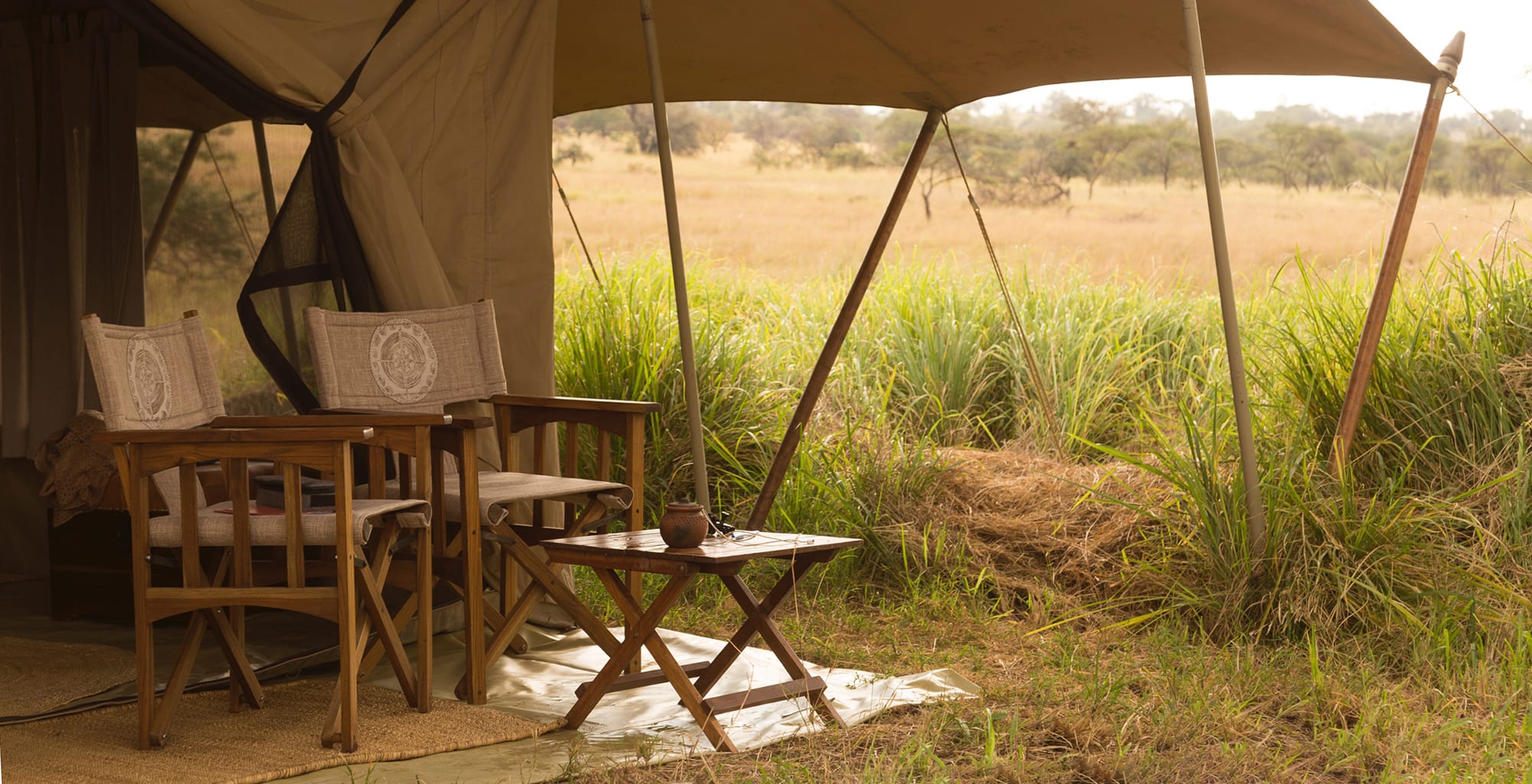
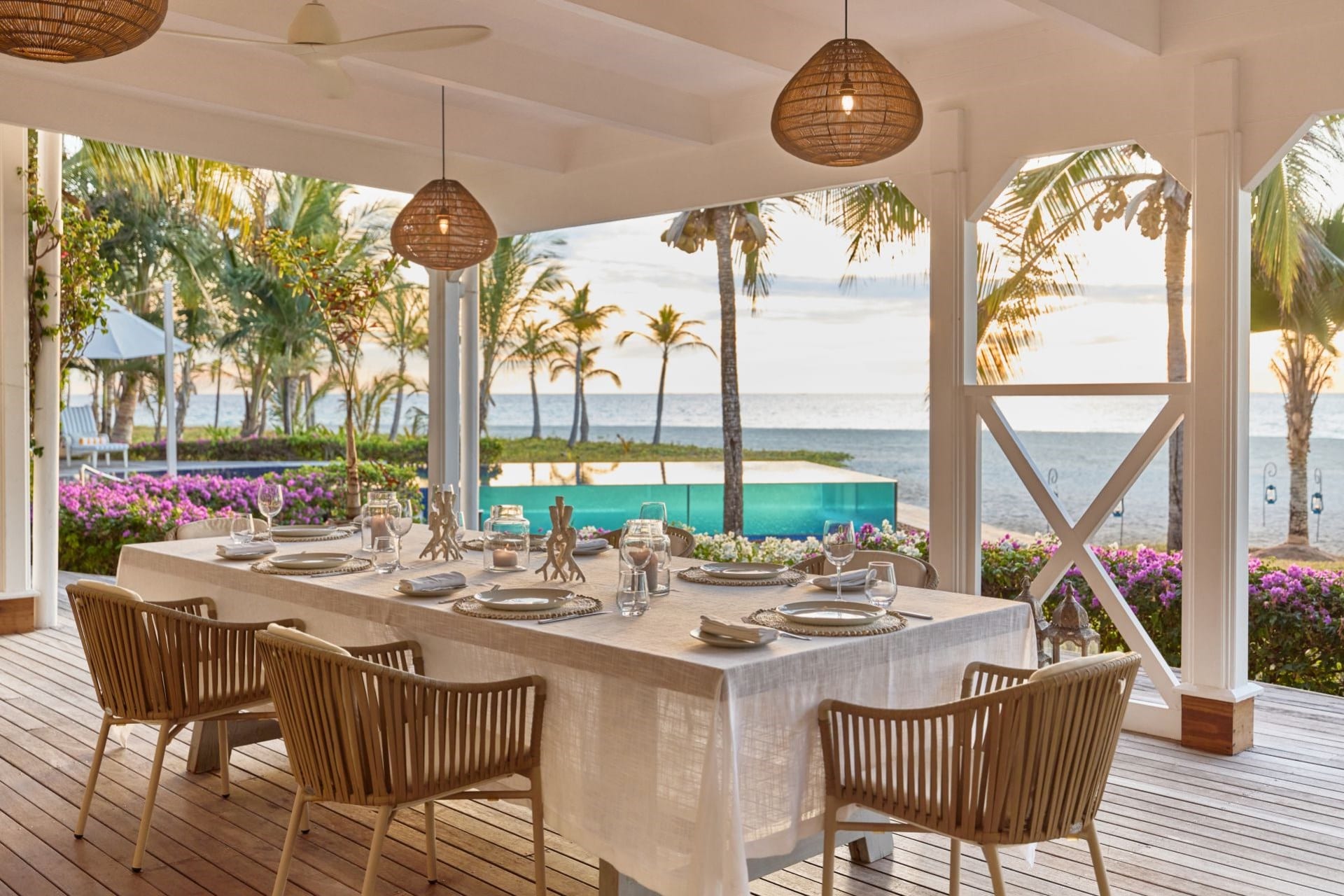
Outdoor furniture should be specified for its actual exposure to sunlight, moisture and coastal conditions.
Invest in Timeless Design Rather Than Short Lived Trends
Luxury furniture is often a substantial purchase, so it makes sense to consider how it will look and function over time.
Trends can be useful sources of inspiration, but an interior built entirely around the latest colours, shapes or decorative motifs can become dated quickly.
A more enduring approach is to establish a strong foundation and introduce changing tastes through smaller, replaceable elements.
Build around foundational pieces
The main sofa, dining table, bed, wardrobe and major storage pieces generally have a significant influence on the room.
Choose their dimensions, materials and forms carefully. Neutral does not have to mean plain, and timeless does not have to mean traditional.
A distinctive timber grain, sculptural chair, carefully proportioned table or well designed headboard can provide character without relying on a passing trend.
Use accessories to introduce change
Cushions, throws, lamps, artwork, rugs and smaller decorative objects can change the mood of a room without requiring the replacement of major furniture.
This approach also gives homeowners the freedom to refresh an interior gradually.
Avoid buying everything as a matching set
Matching furniture sets can be convenient, but they may make a room feel predictable or overly uniform.
A more considered interior might combine a bespoke dining table with complementary chairs, or pair a contemporary sofa with a timber coffee table and a distinctive occasional chair.
The pieces should relate through proportion, colour, material or form without necessarily being identical.
Think about ageing
Some materials develop a distinctive patina through use. Others need more careful protection to maintain their original appearance.
Neither outcome is inherently better. The important question is whether you like the way the material is likely to age.
A timeless interior is one in which the homeowner has made these decisions deliberately.
Custom Luxury Furniture vs Ready Made Furniture
Both approaches can work well in a high end home. The choice depends on how much control the project requires.
Ready made furniture can be appropriate when a piece has the right dimensions, construction, appearance and delivery timeline. There is no need to commission a custom design simply for the sake of customization.
Custom furniture becomes more valuable when the requirements are specific.
For example, a homeowner may want a dining table that fits an unusually long room, a wardrobe that follows the full height of a wall or a media unit that accommodates equipment and conceals cables.
An architect may require a particular timber, finish or dimension to maintain the integrity of the interior design.
A developer furnishing several residences may need consistent pieces produced according to a defined specification.
The principal advantages of bespoke furniture are:
- Control over dimensions and proportions
- Greater choice of materials and finishes
- Integration with architectural features
- The ability to solve unusual storage or functional requirements
- Greater consistency across a coordinated project
- The opportunity to create original designs
However, custom furniture also requires more planning. Design approvals, material selection, manufacturing and installation can take longer than purchasing an available item.
A sensible strategy is to use custom furniture where it provides a clear benefit and choose ready made pieces where existing options already meet the requirement.
How Much Does Luxury Furniture Cost in Tanzania?
Luxury furniture prices in Tanzania vary according to the materials, dimensions, construction, design complexity, finishing, hardware, upholstery and delivery requirements.
It would be misleading to give a single price for all high end furniture. A dining table, a custom wardrobe, an upholstered sofa and a complete villa furnishing project involve different materials and production processes.
Materials and construction
A piece made from carefully selected solid timber may have a different cost structure from one made using quality veneer and an engineered substrate.
Neither construction is automatically better in every application. The correct choice depends on the design and performance requirements.
Complex joinery, curved components, specialist hardware and detailed finishing can also increase manufacturing time.
Design and customization
A standard design that requires only a modest dimensional adjustment may be relatively straightforward to produce.
An original design that requires technical drawings, prototyping, specialist fabrication or multiple approval stages will usually involve additional work.
Quantity
A single bespoke piece and a coordinated set of furniture should not be priced on identical assumptions.
Larger orders may allow some production efficiencies, but they also require planning for consistency, storage, transportation and installation.
Delivery and installation
For larger furniture, the quotation should clarify whether delivery, assembly, installation and any required site work are included.
This is especially important for remote properties, multi storey homes, built in furniture and projects with restricted access.
| Cost factor | What influences it |
|---|---|
| Materials and construction | Timber species versus veneer, joinery complexity, curved components, specialist hardware and detailed finishing |
| Design and customization | Technical drawings, prototyping, specialist fabrication and multiple approval stages |
| Quantity | Production efficiencies balanced against consistency, storage, transportation and installation planning |
| Delivery and installation | Assembly, site work, remote or multi storey access and restricted delivery routes |
How to assess value
Rather than comparing quotations by the headline price alone, ask what each quotation includes.
Compare the material specification, dimensions, construction, finish, hardware, expected maintenance, delivery and warranty or after sales terms.
A lower initial price may not represent better value if the furniture does not meet the intended requirements or needs to be replaced prematurely.
For an accurate quotation, provide the manufacturer with the furniture type, approximate dimensions, quantity, material preference, reference images, location and required date.
How to Choose a Luxury Furniture Manufacturer in Tanzania
The manufacturer has a direct influence on the quality of the final furniture.
A strong portfolio is useful, but it should be supported by evidence of good construction, clear communication and a process that suits the scale of the project.
Examine completed work
Look for examples that are similar to what you want to commission.
A manufacturer experienced in solid timber tables may have useful skills, but a large built in wardrobe or upholstered seating project may require different capabilities.
Where possible, inspect completed furniture in person or ask to see detailed photographs of joints, finishes, hardware and other construction details.
Discuss materials openly
Ask which materials are proposed and why they are suitable.
For timber, establish the species where possible, its source, how it is prepared and the finish being recommended.
For upholstery, ask about the fabric, filling, frame and maintenance requirements.
A manufacturer should be able to explain the choices rather than simply recommending the most expensive option.
Establish the design and approval process
Before manufacturing begins, the important dimensions, materials, finishes and other specifications should be agreed.
For complex or built in pieces, technical drawings can reduce misunderstandings. For larger orders, a prototype or sample may be worth approving before full production.
Clarify the schedule
Ask when design approval is required, how long manufacturing is expected to take and how delivery or installation will be coordinated.
If the furniture is for a new home, coordinate these dates with construction completion and the installation of other interior elements.
Understand after sales support
Ask what happens if an adjustment is needed after installation or a component requires repair.
The answer should be clear before the order is confirmed.
A good furniture partner should provide more than a finished object. They should help the client make sound decisions and manage the practical details involved in delivering the project.
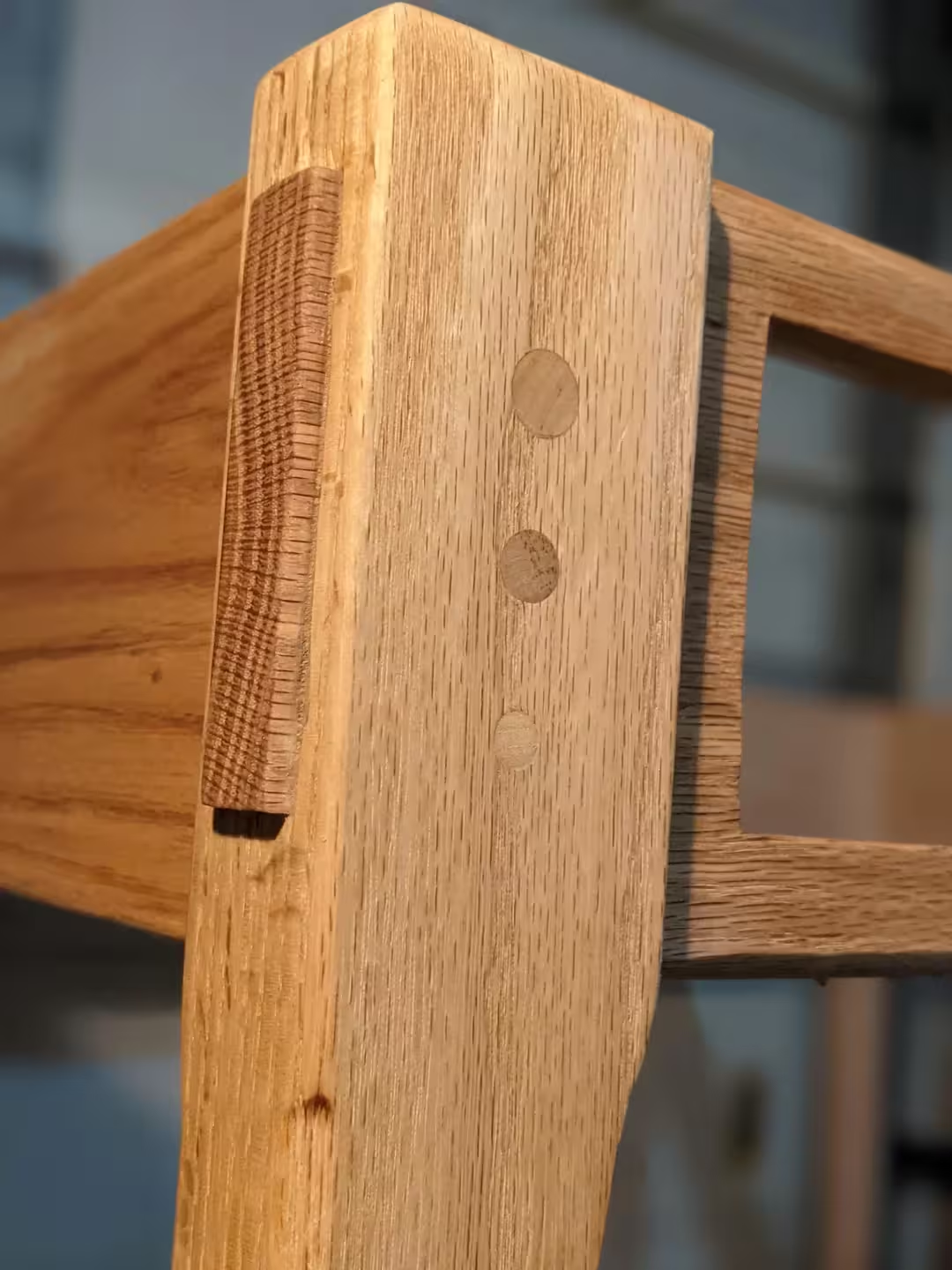
In high end furniture, construction details often distinguish lasting quality from surface appearance alone.
Furnishing a Luxury Home Room by Room
A coordinated home should feel connected without making every room look the same. Each space has its own purpose, and the furniture should respond accordingly.
The entrance
The entrance establishes the first impression of the home.
A console table, carefully selected mirror, artwork or sculptural piece can create a focal point without obstructing circulation.
The furniture should be proportionate to the entrance and should not interfere with doors, movement or natural light.
The living room
The living room benefits from a clear arrangement built around how the household uses the space.
Begin with the main seating, then consider the coffee table, side tables, lighting and storage. Leave sufficient circulation and avoid filling every available area.
A combination of textures can create depth: for example, timber, woven textiles, upholstered seating and stone or metal accents.
The dining room
The dining table should suit the room, the expected number of diners and the way the household entertains.
Chair comfort, clearance, lighting and access to adjacent rooms all matter.
If the dining area is unusually shaped or intended for frequent entertaining, a custom table may offer a practical advantage.
The master bedroom
The bed and headboard normally establish the visual direction of the room.
Bedside tables, wardrobes, dressing furniture and lighting should support both comfort and storage.
A carefully coordinated material palette can create a calm atmosphere without requiring every item to match.
The dressing area
Wardrobes should be planned around the owner's clothing, accessories and storage habits.
Consider hanging lengths, drawers, shelves, shoe storage, lighting, mirrors and access to the doors.
A bespoke wardrobe is especially useful where standard dimensions leave awkward gaps or fail to use the available space efficiently.
The home office
Choose a desk with sufficient working space, comfortable dimensions and suitable cable management.
Storage should be accessible without overwhelming the room. If the office also serves as a guest room or library, the furniture plan should accommodate both uses.
The outdoor living area
Outdoor seating and tables should relate to the home's architecture and landscape.
Choose materials and finishes for the actual exposure conditions, and consider how cushions and other removable components will be stored during adverse weather.
The best result is an outdoor space that feels like a natural extension of the home rather than a collection of furniture placed on a terrace.
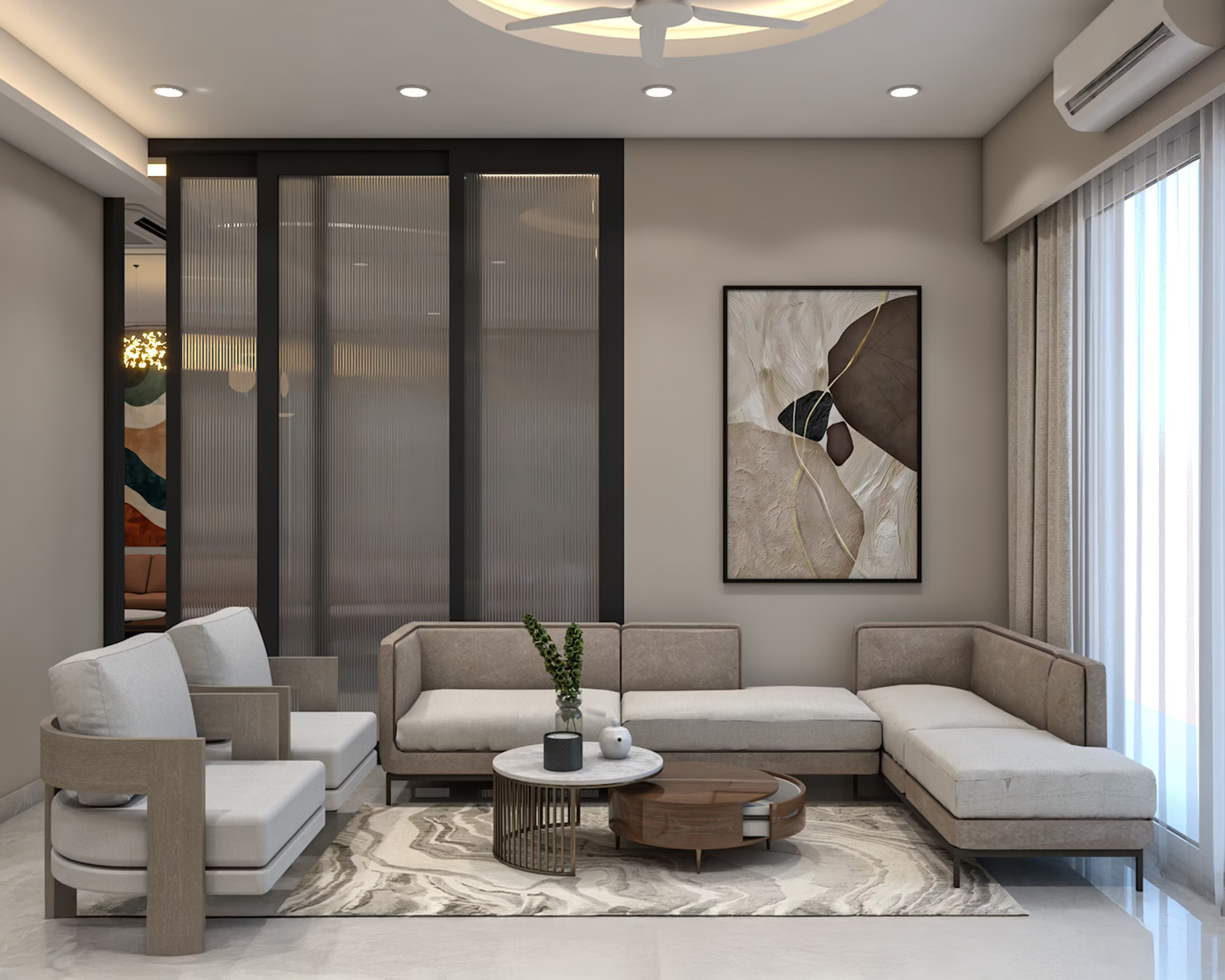
A well designed living room balances comfort, circulation, texture and visual proportion.
Lighting, Colour and Furniture: Making the Interior Work Together
Even excellent furniture can look out of place when lighting, wall colours and surrounding finishes have not been considered.
A luxury interior should be planned as a whole rather than assembled from unrelated purchases.
Natural light
Natural light can reveal timber grain, fabric texture and surface details, but strong direct sunlight can also affect finishes and upholstery over time.
When choosing furniture, consider the direction of the windows, the intensity of sunlight and how the room changes throughout the day.
Artificial lighting
General lighting, task lighting and accent lighting serve different purposes.
A dining table may benefit from lighting that provides comfortable illumination without obstructing sightlines. A reading chair needs practical task lighting. Artwork or a distinctive furniture piece may benefit from accent lighting.
The position of lights should be coordinated with furniture dimensions, especially when commissioning bespoke tables, headboards, shelving or built in units.
Colour relationships
Timber tones, upholstery, wall colours, stone and metal finishes should be selected in relation to one another.
This does not mean every material must match exactly. A degree of contrast can give a room more depth and individuality.
The aim is to establish a coherent palette in which the materials complement rather than compete with each other.
Texture
Texture is particularly important in interiors that use a restrained colour palette.
The grain of timber, the weave of fabric, the surface of stone and the finish of metal can create visual interest without relying on excessive decoration.
For a luxury home, a small number of carefully chosen materials often creates a stronger result than using too many competing finishes.
Sustainable Choices and Long Term Value
Luxury furniture can be an opportunity to invest in pieces that remain useful for many years.
Durability is not determined by price alone. It depends on appropriate materials, sound construction, maintenance and whether the furniture continues to meet the household's needs.
When commissioning furniture, consider:
- Responsible material sourcing
- Efficient use of timber and other materials
- Durable construction
- Replaceable hardware
- Repairable or renewable finishes
- Upholstery that can be maintained or recovered
- Designs that will remain useful as household needs change
For timber furniture, ask about the source and species rather than assuming that a material is sustainable simply because it is natural.
For upholstered furniture, consider whether covers or components can be repaired or replaced instead of discarding the entire piece.
A well chosen piece can become part of the home for a long time. That is valuable both practically and in terms of the resources used to manufacture it.
Common Mistakes to Avoid When Buying Luxury Furniture
Buying based on photographs alone
Photographs can hide proportions, construction details and the actual texture of materials.
Where possible, inspect furniture in person, request material samples or ask for detailed specifications before committing to a significant purchase.
Choosing size before measuring
Furniture that looks perfect in a showroom may overwhelm a room or obstruct circulation at home.
Measure the room and check the dimensions of the intended pieces before ordering.
Prioritising appearance over comfort
A sculptural chair may look impressive, but it still needs to support the body comfortably if it is intended for regular use.
For sofas and chairs, seat depth, height, back support and cushion firmness should be considered.
Assuming expensive materials guarantee quality
Premium timber or stone cannot compensate for poor construction or an unsuitable design.
Evaluate the complete piece, including joinery, hardware, finish and installation.
Ignoring maintenance
Some materials require more care than others.
Understand the cleaning, protection and maintenance requirements before choosing a finish, upholstery or stone surface.
Mixing too many design directions
A home can contain different styles, but those styles should relate through material, proportion, colour or form.
Without a unifying approach, expensive pieces may look disconnected.
Leaving furniture until the end of construction
Custom furniture may require design approval, material procurement and manufacturing time.
For new homes and major renovations, discuss furniture requirements early enough to coordinate measurements, electrical points, access and installation.
Why Bespoke Furniture Can Be Worth the Investment
Bespoke furniture is not necessary for every item in a home. Its value becomes clearer when standard furniture cannot meet the project's requirements.
Consider a dining room with a specific architectural feature. A custom table can be designed to fit the room's proportions, provide the required seating and use a material that complements the surrounding finishes.
A wardrobe can be designed around the owner's storage habits rather than forcing clothing, accessories and luggage into a standard layout.
A media unit can accommodate equipment, ventilation, cable management and storage while maintaining the visual simplicity of the interior.
In each case, customization solves a problem while creating an opportunity for better design.
For larger homes, bespoke furniture can also create continuity across different rooms. Materials, detailing and proportions can be coordinated without making every piece identical.
The investment should therefore be evaluated in terms of the result: how well the furniture fits, how effectively it performs, how long it is expected to last and how naturally it belongs in the home.
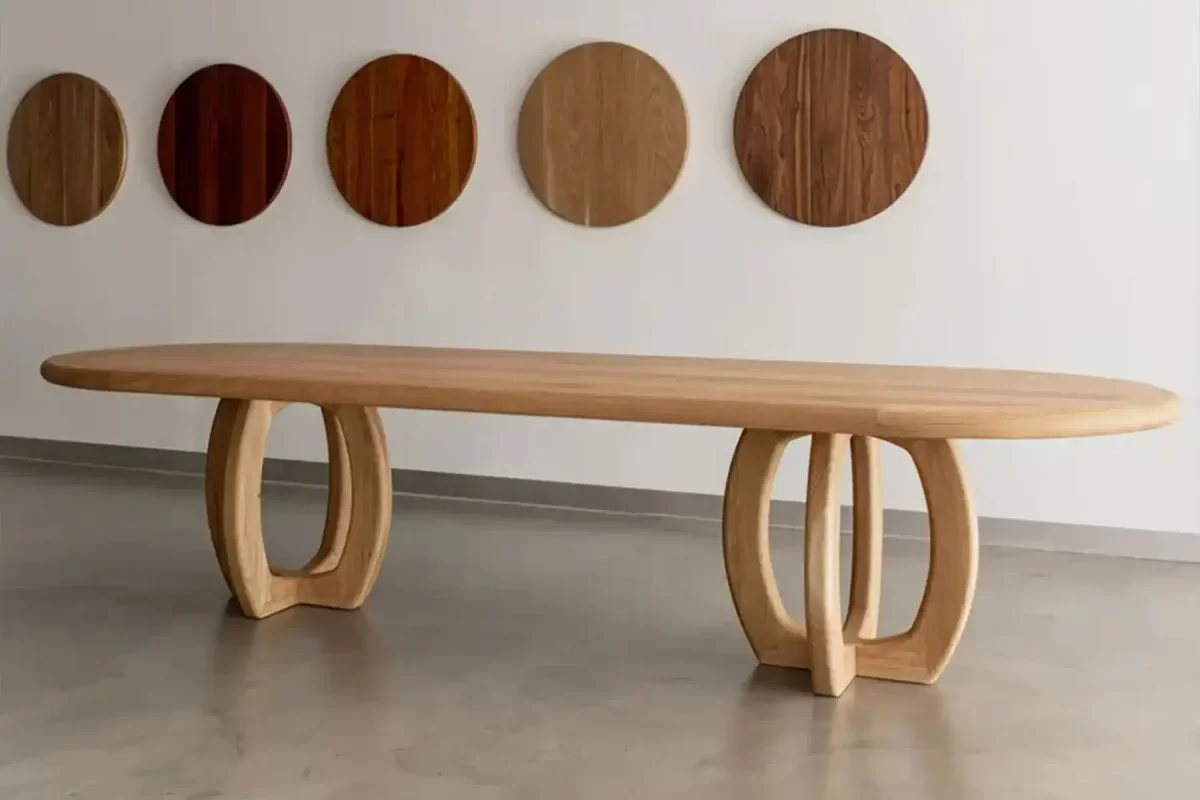
Custom furniture offers greater control over dimensions, material selection and the relationship between a piece and its surroundings.
How to Plan a Luxury Furniture Project With ZANOVA
A successful furniture project begins with a clear understanding of the space and what the furniture needs to achieve.
ZANOVA's custom furniture approach can accommodate projects that begin with detailed architectural drawings as well as those that start with reference photographs, measurements or an initial idea.
For a high end home, the first discussion should establish the main furniture requirements, the character of the interior, the materials being considered and the expected timeline.
A useful project brief includes:
- Project location: Where is the property?
- Furniture required: Which rooms or pieces need to be furnished?
- Dimensions: Are measurements or architectural drawings available?
- Design references: Are there photographs, sketches or examples of the desired style?
- Material preferences: Is there a preferred timber, fabric, stone or finish?
- Budget: What is the intended budget for the furniture or project?
- Timeline: When should the furniture be delivered and, if required, installed?
These details help establish the scope of work and identify decisions that need to be made before manufacturing.
For a larger residence, it can be useful to approach the furniture as a coordinated project rather than commissioning every item independently. This helps maintain consistency across materials, dimensions and finishes.
ZANOVA works with custom furniture requirements for residential and other interior projects, with the aim of developing furniture around the specific needs of the space.
The right starting point may be a single dining table, a complete bedroom, built in storage or a broader furniture plan for the home.
Frequently Asked Questions About Luxury Furniture in Tanzania
Where can I buy luxury furniture in Tanzania?
You can explore furniture retailers, specialist workshops and custom furniture manufacturers operating in Tanzania. The right supplier depends on the design, materials, budget and level of customization required. For a high end home, compare the quality of construction, material specifications, finishing, delivery arrangements and after sales support rather than relying on price or photographs alone.
What is the best furniture material for a luxury home in Tanzania?
There is no single best material for every application. Teak, iroko, mvule, suitable veneers, stone, metal and quality upholstery can all be appropriate depending on the furniture, location, exposure and desired appearance. For timber furniture, species identification, preparation and construction are important. For outdoor or coastal applications, weather exposure and corrosion resistance should also be considered.
Is custom furniture better than ready made furniture for a luxury home?
Custom furniture is particularly useful when standard products do not fit the space, meet the design specification or provide the required functionality. Ready made furniture can be the better choice when an available piece already meets the requirements and the priority is convenience or faster availability. Many high end homes benefit from combining both approaches.
How do I choose luxury furniture for a villa in Tanzania?
Begin with the architectural layout and how each room will be used. Establish the main furniture dimensions, select materials suitable for the property's environment, and develop a consistent palette of timber, upholstery, stone, metal and finishes. Prioritise comfort, construction quality and circulation before purchasing decorative accessories.
What should I look for in a luxury furniture manufacturer?
Look for relevant project experience, clear material specifications, sound construction, a reliable design and approval process, realistic lead times and clear delivery arrangements. For bespoke work, ask whether the manufacturer can work from drawings, provide samples when needed and coordinate installation.
Does Tanzania's climate affect luxury furniture?
Yes. Humidity, sunlight, moisture and coastal air can influence timber, finishes, upholstery and metal components. The effects depend on the material and the actual environment. Tell the manufacturer where the furniture will be used, particularly if it will be installed outdoors or in a coastal property.
How can I make a luxury interior look timeless?
Begin with furniture that has appropriate proportions, good materials and sound construction. Establish a coherent colour and material palette, avoid relying entirely on short lived trends and use smaller accessories to introduce changes over time. Timeless design is less about following a particular style and more about making choices that remain useful and visually satisfying.
Is luxury furniture always expensive?
Not necessarily in the same way or for the same reasons. The price depends on materials, design, dimensions, construction, finishing and the manufacturer. A carefully specified piece does not need to be the most expensive available to be appropriate for a high end home. The important consideration is whether the furniture meets the intended requirements and provides value over its useful life.
Can I commission furniture from a photograph?
A photograph can be a useful starting point for discussing the design. The manufacturer will still need to establish dimensions, materials, construction and any modifications required for the specific room. A reference image communicates the general appearance, but it does not always provide enough information to reproduce the exact construction.
When should I order custom furniture for a new home?
Discuss furniture requirements while the interior design and construction plans are being developed. This is particularly important for built in wardrobes, cabinetry, media units and other pieces that need to coordinate with electrical points, flooring, walls or architectural details. The production schedule should be confirmed with the manufacturer before relying on a particular delivery date.
Final Thoughts: Luxury Is in the Decisions Behind the Furniture
Choosing luxury furniture for a high end home in Tanzania is ultimately about making the right decisions for the way you live.
The material should suit its purpose. The proportions should work with the architecture. The construction should support long term use. The finish should suit the environment. And the furniture should make the home more comfortable, functional and visually coherent.
Some rooms may benefit from ready made furniture that already meets every requirement. Others may need bespoke pieces developed around particular dimensions, materials or architectural features.
There is no single formula for creating a luxurious home. The strongest results come from understanding the space, choosing carefully and investing in quality where it makes a meaningful difference.
For homeowners planning a new residence, renovating an existing property or furnishing a high end villa, the furniture should be considered part of the architecture and the experience of living in the home.
Planning a High End Home in Tanzania?
ZANOVA can help you explore custom furniture for your residential project, from individual statement pieces to coordinated furniture requirements for multiple rooms.
Start with your drawings, reference photographs, measurements or initial ideas, and develop a furniture brief around the home you want to create.
Explore ZANOVA Custom Furniture and start planning your project.