Materials, 14 min read
The best wood for furniture in Tanzania: teak, iroko, mvule or African walnut
Teak, iroko, mvule and African walnut each bring something different to the workshop. The right timber starts with where the piece will live, how it will be used and how it is built.
Joseph Mnyika, 24 September 2026
Choosing timber for furniture in Tanzania is not simply a question of which wood looks the most beautiful.
The right timber depends on where the furniture will be used, how heavily it will be used, the surrounding climate, the construction of the piece, the finish, maintenance requirements and the character you want the finished furniture to have.
A dining table for a private home in Arusha does not face exactly the same conditions as outdoor furniture at a coastal property in Zanzibar. A bedside table in a city hotel has different requirements from furniture installed in a remote safari lodge.
At ZANOVA, we work with different hardwoods because there is no single timber that is the right answer for every project. Among the woods used for furniture and interior applications in Tanzania, teak, iroko, mvule and African walnut each bring different characteristics to the workshop. Understanding those differences is the starting point for making a better furniture decision.
What actually makes timber different?
Before comparing individual species, it is useful to understand what matters when selecting timber for furniture.
Durability
How well does the wood withstand physical use, moisture and environmental exposure?
Dimensional stability
How much does the timber respond to changes in moisture and humidity?
Workability
Can it be cut, machined, joined, sanded and finished effectively?
Appearance
What colour, grain pattern and natural character will the timber contribute to the furniture?
Intended environment
Will the furniture stay inside a controlled interior, or will it experience sunlight, humidity, rain, dust or coastal conditions?
These characteristics matter because a beautiful timber can still be the wrong timber for a particular application.
1. Teak
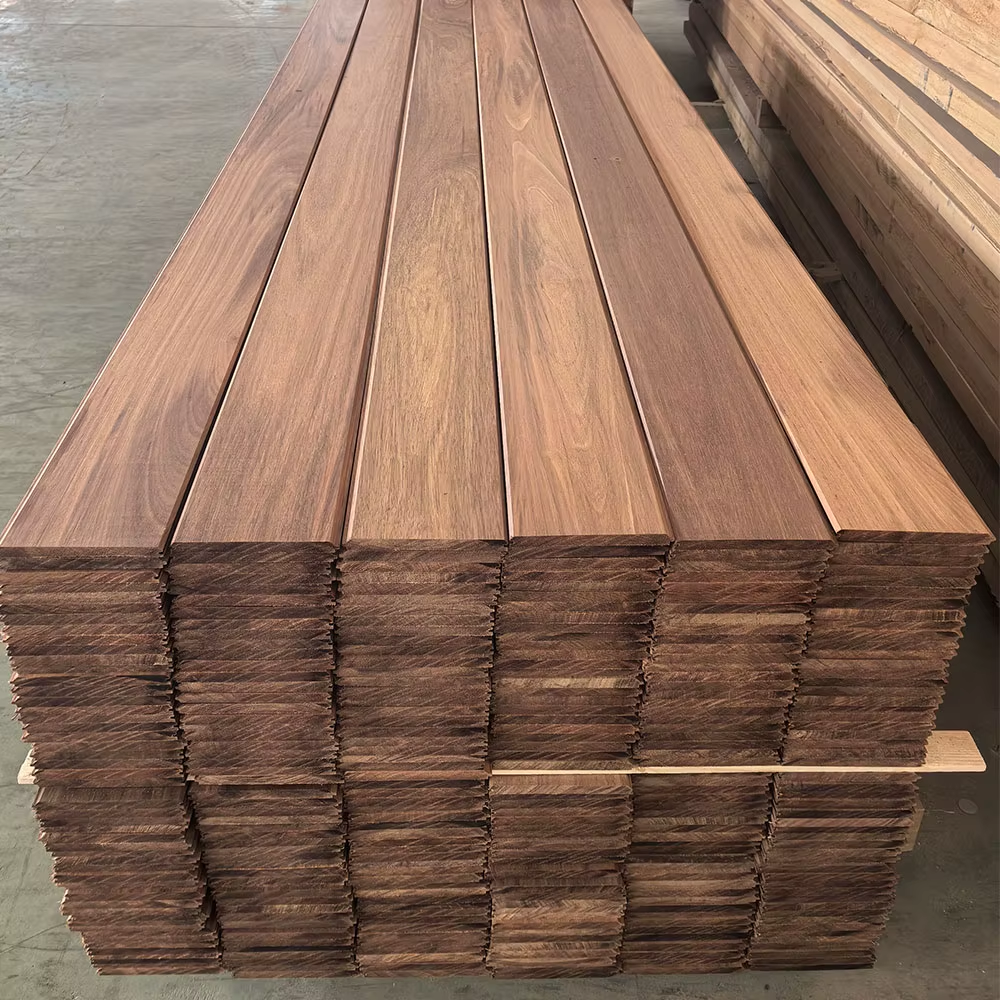
Teak is one of the best known timbers for demanding furniture applications, particularly where resistance to moisture and environmental exposure matters.
Its natural oils and physical properties contribute to its reputation for durability, making teak particularly interesting for outdoor furniture, hospitality environments and projects exposed to changing weather conditions. For Tanzania, this can be particularly relevant to coastal properties and outdoor hospitality spaces.
Where teak makes sense
Outdoor furniture. Teak is frequently considered for tables, chairs, loungers and other exterior pieces because of its durability and resistance to environmental exposure.
Coastal environments. For properties around Zanzibar and the Tanzanian coast, material selection needs to account for humidity, sunlight and salt laden air. Teak can be a strong candidate, although the construction, finish and maintenance of the furniture remain important.
Luxury hospitality. Hotels, villas and lodges often require furniture that combines a refined appearance with the ability to withstand repeated use.
What teak looks like
Teak typically has a warm golden to medium brown appearance when freshly finished, with a distinctive grain. As it ages, untreated exterior teak can weather and develop a silvery grey appearance. Some owners appreciate this natural ageing; others prefer to maintain the original colour through appropriate finishing and maintenance.
The important point
Teak should not automatically be specified simply because it is considered a premium timber. The question should be:
Does the project actually need the characteristics teak provides?
For an interior side table in a controlled environment, another timber may offer the desired appearance and performance without requiring teak.
2. Iroko
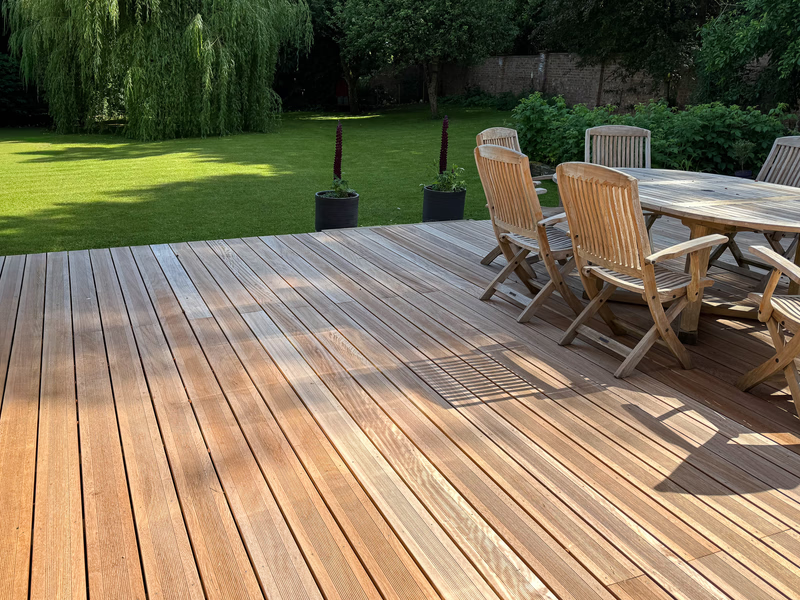
Iroko is an African hardwood that has long been used for demanding applications. It is naturally distributed across tropical Africa and is known for its durability and resistance to decay. Its appearance can resemble teak, although the two woods are not interchangeable.
Iroko can be particularly interesting for furniture projects where the designer wants a durable African hardwood with a strong natural character.
Where iroko makes sense
- Dining tables
- Benches
- Cabinetry
- Doors
- Interior furniture
- Outdoor applications where appropriately specified
- Hospitality furniture
Its durability also makes it relevant when furniture is expected to experience considerable use.
The appearance of iroko
Freshly worked iroko can range from yellowish brown to medium brown, often with an attractive interlocking grain. With finishing, the grain can become particularly pronounced. This makes iroko useful when the timber itself is intended to contribute to the visual identity of a piece.
Iroko vs teak
This is one of the most common comparisons worth understanding. The two woods can overlap in applications, but that does not mean they are identical.
| Consideration | Teak | Iroko |
|---|---|---|
| Natural durability | High | High |
| African origin | Primarily associated with cultivated plantations and Asian/African sources depending on provenance | Native to tropical Africa |
| Appearance | Warm golden brown | Yellow brown to medium brown |
| Outdoor applications | Excellent when properly specified | Suitable for many demanding applications |
| Furniture character | Refined, naturally oily appearance | Strong grain and African hardwood character |
| Best choice | Depends on application | Depends on application |
The important decision is not “Which wood is better?” It is:
“Which wood is better for this particular piece, environment and budget?”
3. Mvule
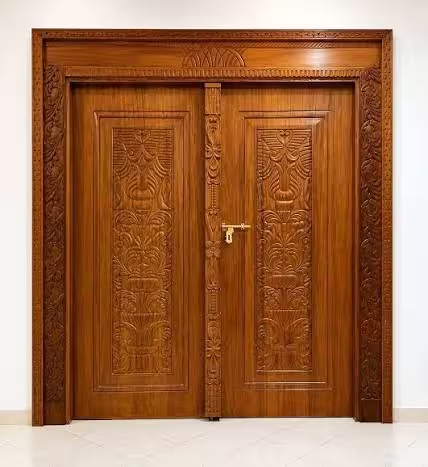
Mvule is one of the timbers particularly relevant to Tanzania and East Africa. The species is Milicia excelsa, commonly known as mvule in Tanzania and elsewhere in East Africa. It is a substantial African hardwood and has historically been valued for applications requiring durable timber.
For furniture makers, mvule can offer an interesting combination of strength, natural character and regional relevance.
Why mvule is interesting for furniture
Mvule has a distinctive grain and warm brown appearance that can work particularly well in substantial furniture. It can be used for:
- Dining tables
- Beds
- Cabinets
- Benches
- Doors
- Architectural joinery
- Statement furniture
The character of mvule
One of the reasons to use a timber such as mvule is that the finished furniture can retain a strong sense of natural material. Rather than covering the timber with an opaque finish, designers can use transparent or lightly tinted finishes to allow the grain and colour to remain visible. This is particularly effective for pieces where the timber itself is part of the design.
A consideration for buyers
When purchasing mvule furniture, the question should not simply be:
“Is this real mvule?”
Ask also:
- Where was the timber sourced?
- Was it properly seasoned?
- How was its moisture content controlled?
- How was the furniture constructed?
- What finish was applied?
- Where will the furniture be installed?
The species is only one part of furniture quality.
4. African walnut
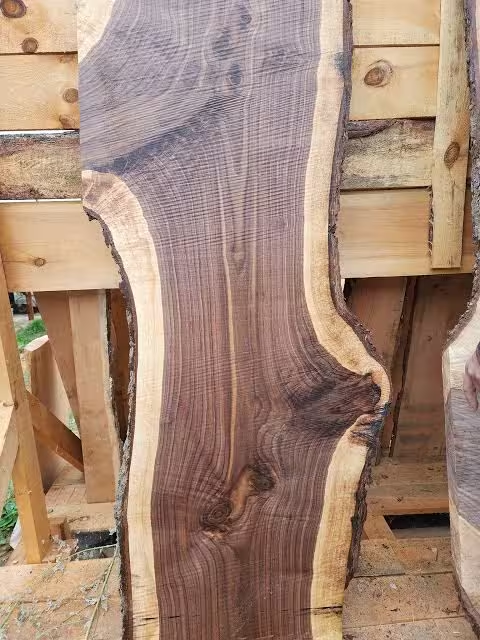
African walnut is another timber used for furniture where designers want a deeper, richer appearance. The term “African walnut” can refer to different African timber species in commercial contexts, so buyers should confirm the actual botanical species and provenance rather than relying only on a common trade name. That distinction matters.
Why designers choose darker timber
Dark timber can create contrast against light walls, stone, neutral upholstery, natural fabrics, concrete, brass and metal, and lighter timber. This makes it particularly useful in contemporary interiors.
African walnut can therefore work well for:
- Dining furniture
- Bedroom furniture
- Cabinetry
- Tables
- Feature pieces
- Hospitality interiors
The visual advantage
Where teak and some iroko applications create warmth through golden and medium brown tones, darker timber can create a more dramatic visual presence. For a designer, that can be more important than simply choosing the hardest available wood.
So which one is best?
There isn't one universal winner. Instead, think about the environment first.
For outdoor furniture
Teak and iroko can be strong candidates where durability and environmental exposure are major considerations. But the timber alone does not make outdoor furniture durable. Design, joints, drainage, hardware, finish and maintenance all matter.
For substantial dining tables
Iroko and mvule can both be compelling choices. The final selection can come down to the desired grain, colour, dimensions, availability and the character the designer wants.
For warm contemporary interiors
African walnut, iroko or mvule can all create distinctive results depending on the design. Here, appearance may be as important as environmental durability.
For coastal furniture
The conversation changes. Furniture in Zanzibar and other coastal areas may be exposed to:
- High humidity
- Strong sunlight
- Salt laden air
- Moisture
- Temperature fluctuations
Timber selection matters, but so do construction, finish, hardware, ventilation and maintenance. There is no timber that makes furniture completely maintenance free.
The climate question: Tanzania is not one environment
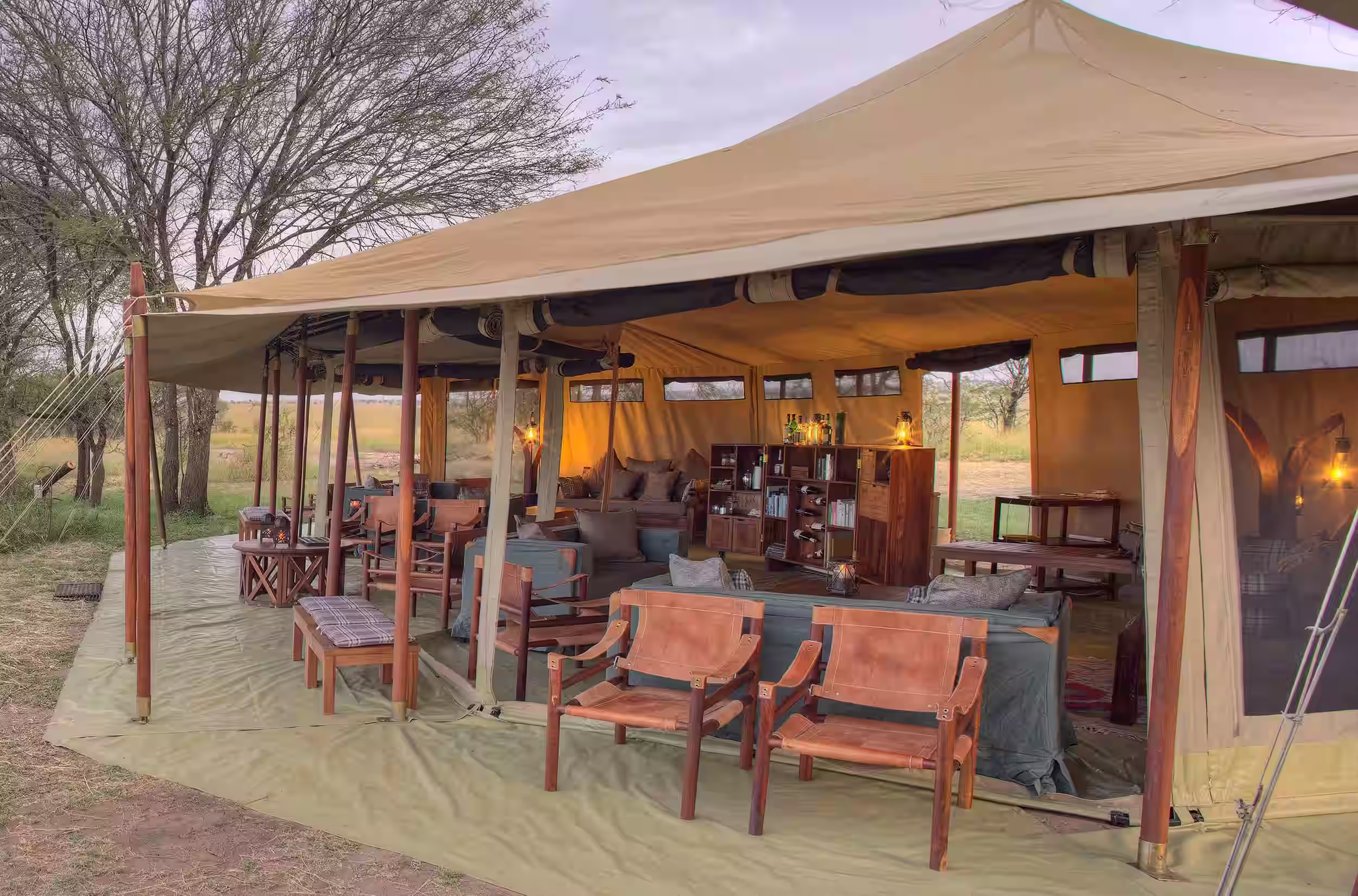
This is one of the most overlooked aspects of buying furniture in Tanzania. The country contains very different environmental conditions.
A piece installed in Dar es Salaam or Zanzibar can face substantially different moisture and salt exposure from a piece used in Arusha or an inland property. A safari lodge adds another set of considerations:
- Dust
- Temperature changes
- Intense sunlight
- Limited access to replacement parts
- Transportation over rough roads
- High guest turnover
- Maintenance logistics
This is why specifying furniture should begin with the question:
Where is the piece going to live?
Not: Which wood is the strongest?
Timber quality starts before the furniture is built
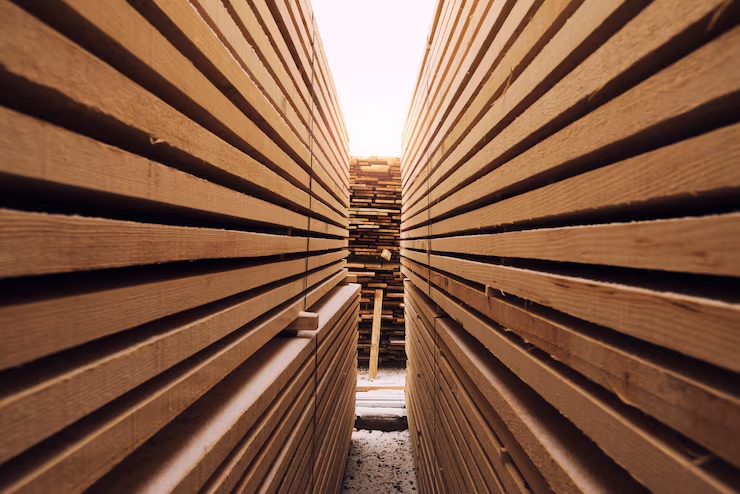
Even the right species can produce poor furniture if the timber has not been properly prepared.
Moisture content
Wood continuously interacts with moisture in the surrounding air. If timber is incorporated into furniture before reaching an appropriate moisture condition for its intended environment, movement can later contribute to gaps, cracks, cupping, warping and joint stress. This is why proper timber preparation is not a cosmetic concern. It is part of the engineering of the furniture.
Seasoning and conditioning
Timber needs to be appropriately seasoned and conditioned before being turned into precision furniture. The exact requirements depend on the timber species, furniture construction, intended location, local climate, and interior or exterior application.
A furniture manufacturer should therefore be thinking about the relationship between the timber and its final environment, not simply purchasing dry looking boards.
The furniture maker matters as much as the timber
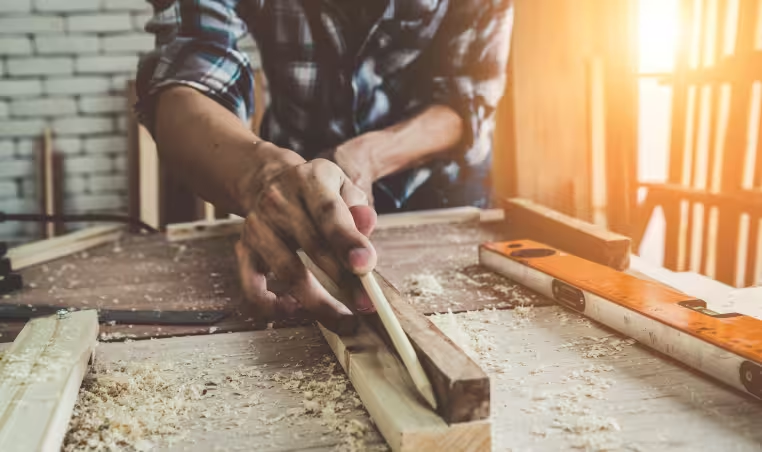
A common mistake when buying wooden furniture is to compare only timber species.
Imagine two dining tables made from the same species. One has poorly prepared timber, weak joints, unsuitable dimensions, inconsistent moisture and inadequate finishing. The other has properly conditioned timber, carefully designed joints, appropriate construction, controlled finishing and proper installation.
They may both be advertised as being made from the same wood. They will not necessarily perform the same way. The timber is the starting material. Craftsmanship determines what is done with it.
How we select timber at ZANOVA
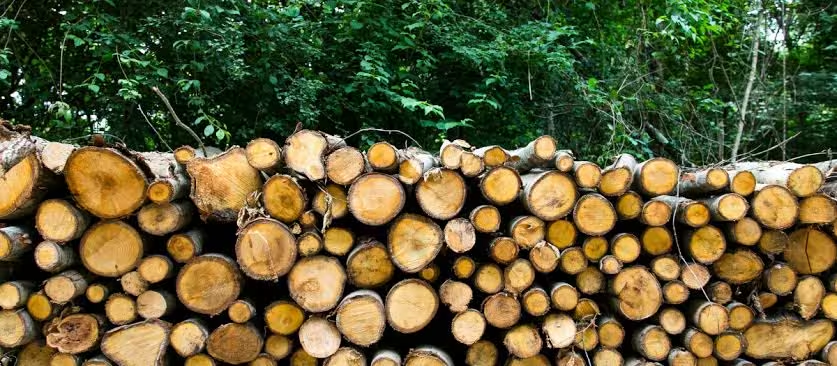
At ZANOVA, we don't begin with a fixed rule that every project should use the same timber. We begin with the application. For a custom project, we consider:
- Where: where will the furniture be installed?
- How: how will it be used?
- Exposure: will it face humidity, sunlight, rain, dust or salt?
- Design: what colour and grain should the finished piece have?
- Dimensions: how large and structurally demanding is the piece?
- Maintenance: how will the furniture be cared for over its lifetime?
- Project requirements: does the project require particular specifications, quantities, finishes or installation requirements?
Only after understanding these factors does timber selection become meaningful.
A practical timber selection guide
| Application | Timbers to consider | Key considerations |
|---|---|---|
| Indoor dining table | Iroko, mvule, African walnut | Grain, dimensions, stability, finish |
| Bedroom furniture | Mvule, iroko, African walnut | Appearance, stability, construction |
| Outdoor furniture | Teak, iroko | Weather exposure, finish, maintenance |
| Coastal hospitality | Teak, iroko and other properly specified materials | Humidity, salt, UV, hardware |
| Safari lodge furniture | Iroko, teak, mvule and project specific materials | Durability, logistics, maintenance |
| Statement interior pieces | African walnut, mvule, iroko | Grain, colour and design |
| Doors and architectural joinery | Iroko, mvule and other suitable hardwoods | Stability, exposure, dimensions |
This table is a starting point, not a universal specification. The correct choice depends on the actual project.
Don't choose furniture by wood species alone
A piece of furniture is a system. The timber is only one part. Before ordering expensive wooden furniture, ask the manufacturer:
1. What species is being used?
Ask for the common name and, where relevant, the botanical name.
2. Where did the timber come from?
Responsible sourcing matters.
3. How was the timber seasoned?
Proper preparation is critical to performance.
4. Where will the furniture be used?
Interior, exterior, coastal, inland and hospitality environments can require different approaches.
5. What finish is being used?
The finish should suit the intended environment.
6. How is the furniture constructed?
Joinery and structural design matter.
7. What maintenance will it require?
Particularly important for outdoor and hospitality furniture.
8. Can the piece be repaired or refinished?
Furniture designed for a long service life should ideally be maintainable.
The best timber is the one that makes sense for the project
Teak has its strengths. Iroko has its strengths. Mvule has its strengths. African walnut has its strengths. The right decision depends on what you are asking the furniture to do.
A luxury coastal villa may require a different material strategy from a city apartment. A safari lodge may need different specifications from a private dining room. And a statement piece may prioritise grain and visual character in ways that a high use restaurant chair cannot.
That is why good furniture specification begins with the space, use and environment, and only then moves to the timber.
Building furniture for East Africa requires more than choosing beautiful wood
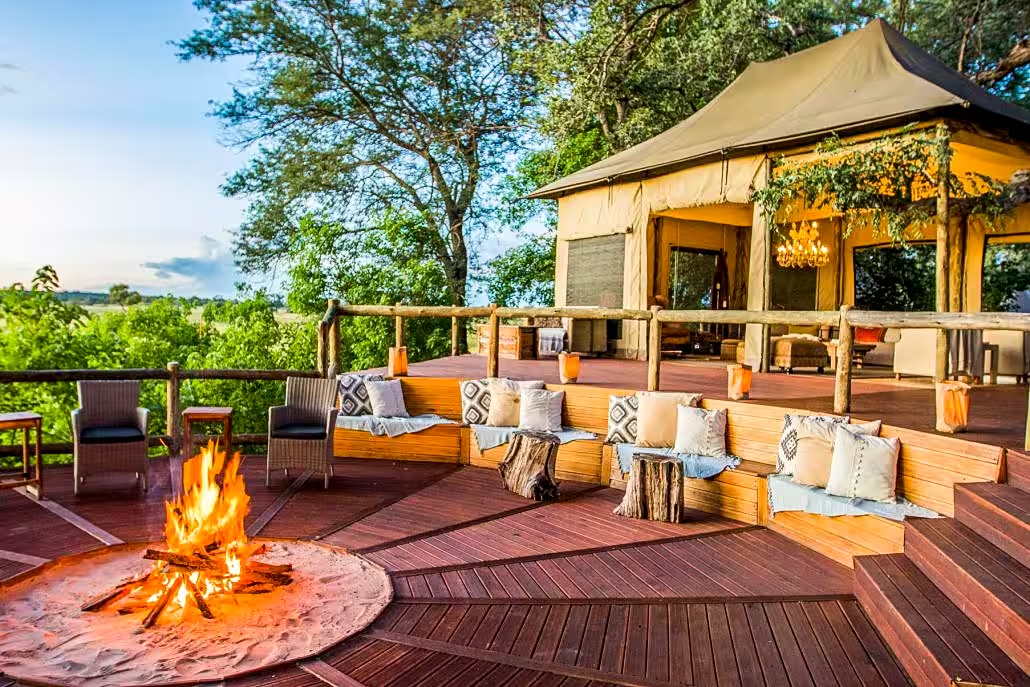
At ZANOVA, we design and manufacture custom furniture for homes, hospitality spaces, offices, restaurants, hotels and safari properties. Our approach brings together material selection, design, craftsmanship, finishing, project coordination, delivery and installation.
The objective isn't simply to make furniture from good timber. It is to create furniture that makes sense for the place where it will live.
Have a furniture project in mind? Whether you are furnishing a home, developing a hotel, renovating a restaurant or specifying furniture for a safari lodge, the material selection should be considered from the beginning.
Frequently asked questions
Is teak the best wood for furniture in Tanzania?
Not necessarily. Teak has excellent durability and can be particularly suitable for demanding and outdoor applications, but the best timber depends on the furniture's location, use, design, exposure and maintenance requirements.
Is iroko good for furniture?
Yes. Iroko is a durable African hardwood that can be used for a range of interior, exterior and hospitality furniture applications when appropriately specified and constructed.
Is mvule good for furniture?
Mvule is a substantial East African hardwood with useful properties for furniture and joinery. Its appearance and natural character can make it particularly attractive for substantial interior pieces.
Which wood is best for outdoor furniture in Tanzania?
Teak and iroko are among the timbers that can be considered for outdoor applications, but outdoor performance also depends heavily on construction, finish, hardware, exposure and maintenance.
What is the difference between teak and iroko?
Both are durable timbers and can overlap in applications, but they differ in appearance, physical properties, origin, availability and project suitability. The choice should be made according to the application rather than assuming one is universally superior.
Does Tanzania's climate affect wooden furniture?
Yes. Changes in moisture and humidity can cause timber to gain or lose moisture, resulting in dimensional movement. Proper timber preparation, construction, finishing and installation are therefore important.
Can I request custom furniture using a specific timber?
Yes. For a custom project, the appropriate timber can be discussed according to the design, intended environment, dimensions, availability and performance requirements.