Guides, 20 min read
How to Choose Furniture for a Safari Camp in Tanzania
A practical guide to choosing furniture for a safari camp in Tanzania, from materials and outdoor durability to room by room planning, custom production and questions to ask a manufacturer.
Joseph Mnyika, 26 October 2026
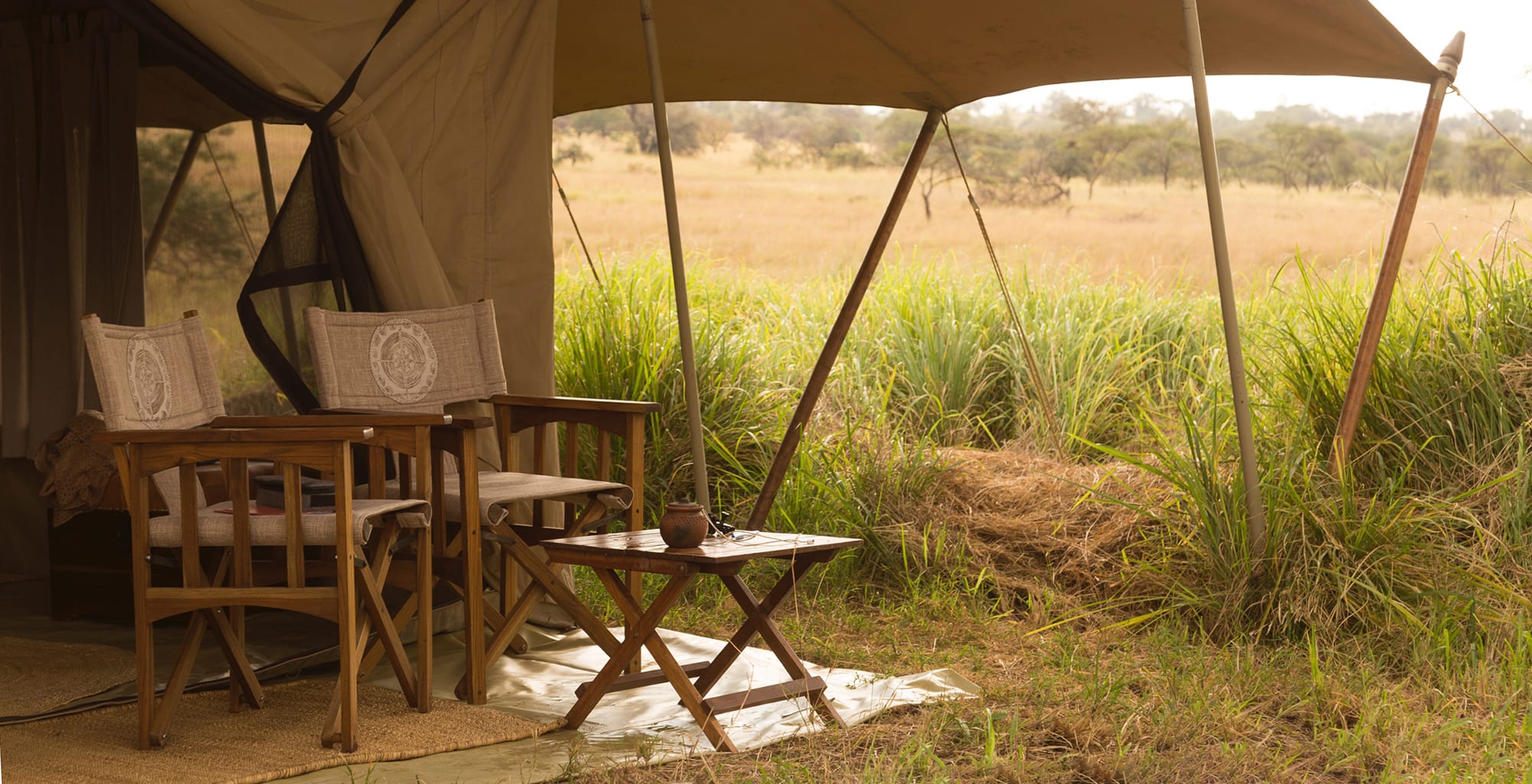
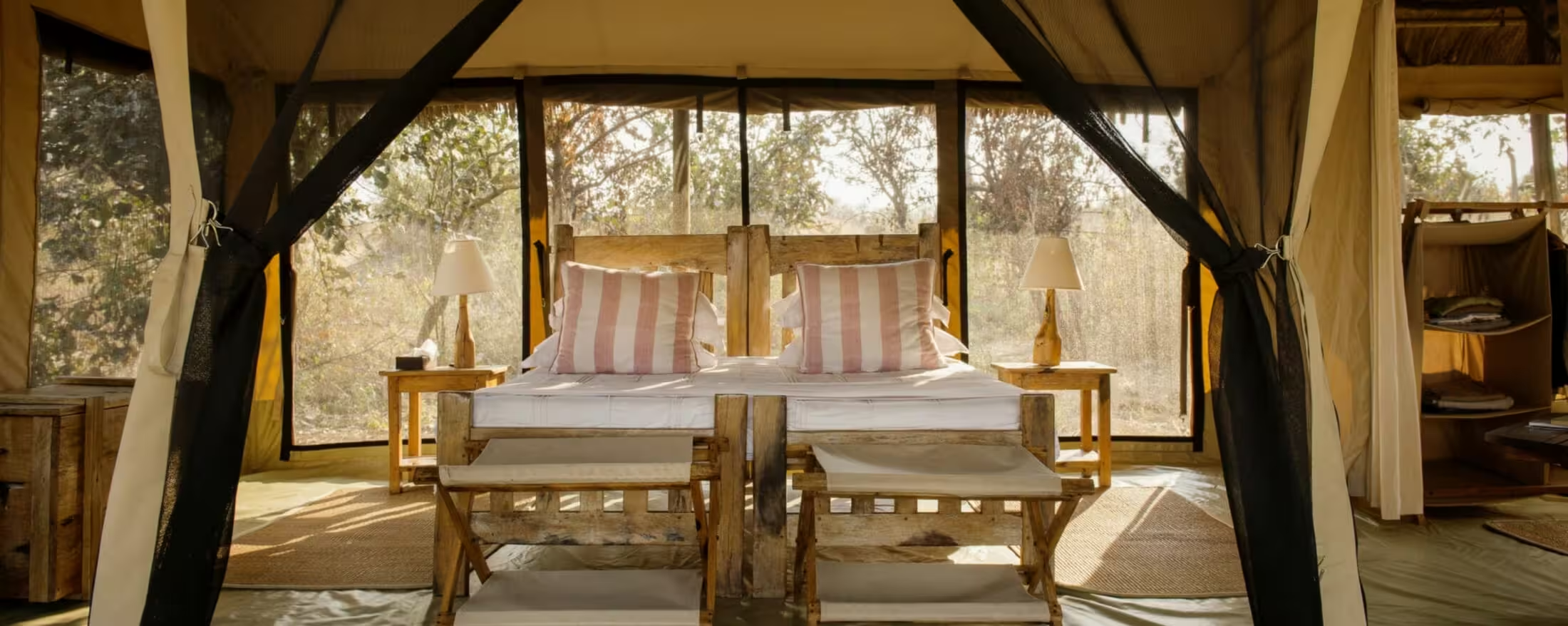
Choosing furniture for a safari camp in Tanzania involves more than selecting beautiful tables, chairs and beds. Furniture must complement the surrounding landscape, provide lasting comfort for guests, withstand the local environment and perform reliably under the demands of hospitality operations.
Whether you are developing a new safari camp in the Serengeti, renovating a lodge near Ngorongoro, upgrading a property in Tarangire or furnishing a private safari retreat, the furniture you choose will influence the guest experience and the long term operating costs of your property.
The challenge is finding the right balance between aesthetics, durability, comfort, maintenance and budget.
At ZANOVA, we design and manufacture custom furniture for hospitality environments, including safari camps, lodges, hotels and restaurants. We approach each project by considering the intended use of the furniture, the surrounding environment, the architectural style and the practical requirements of daily operation.
This guide explains how to choose furniture for a safari camp in Tanzania, which materials to consider, what to look for in a furniture manufacturer and how to plan a furniture package that supports your property's long term performance.
Start With the Location and Environment
Before choosing furniture designs, consider where the safari camp is located and how the furniture will be used.
Tanzania has varied climatic conditions. A camp in the Serengeti may experience intense sunlight, dust and substantial temperature changes, while a property in a humid coastal environment may face additional moisture and salt exposure.
Even within one property, furniture requirements can differ considerably between indoor guest rooms, covered verandas, open terraces, restaurants and poolside areas.
For example:
- Guest rooms: Beds, bedside tables, wardrobes, desks and luggage racks should provide comfort, practical storage and straightforward housekeeping.
- Dining areas: Tables and chairs should be comfortable for extended meals, stable during daily service and easy to clean.
- Outdoor terraces: Furniture must be specified according to its exposure to sunlight, rain, moisture and temperature changes.
- Lounge areas: Sofas, armchairs and coffee tables should support relaxation while complementing the camp's architectural style.
- Reception and communal spaces: Reception desks, consoles and seating should create a strong first impression while accommodating regular guest and staff activity.
The most effective approach is to assess each area separately rather than selecting one material or finish for the entire property.
This allows the furniture specification to reflect actual operating conditions, helping avoid unnecessary maintenance and premature replacement.
Choose Materials That Suit Safari Conditions
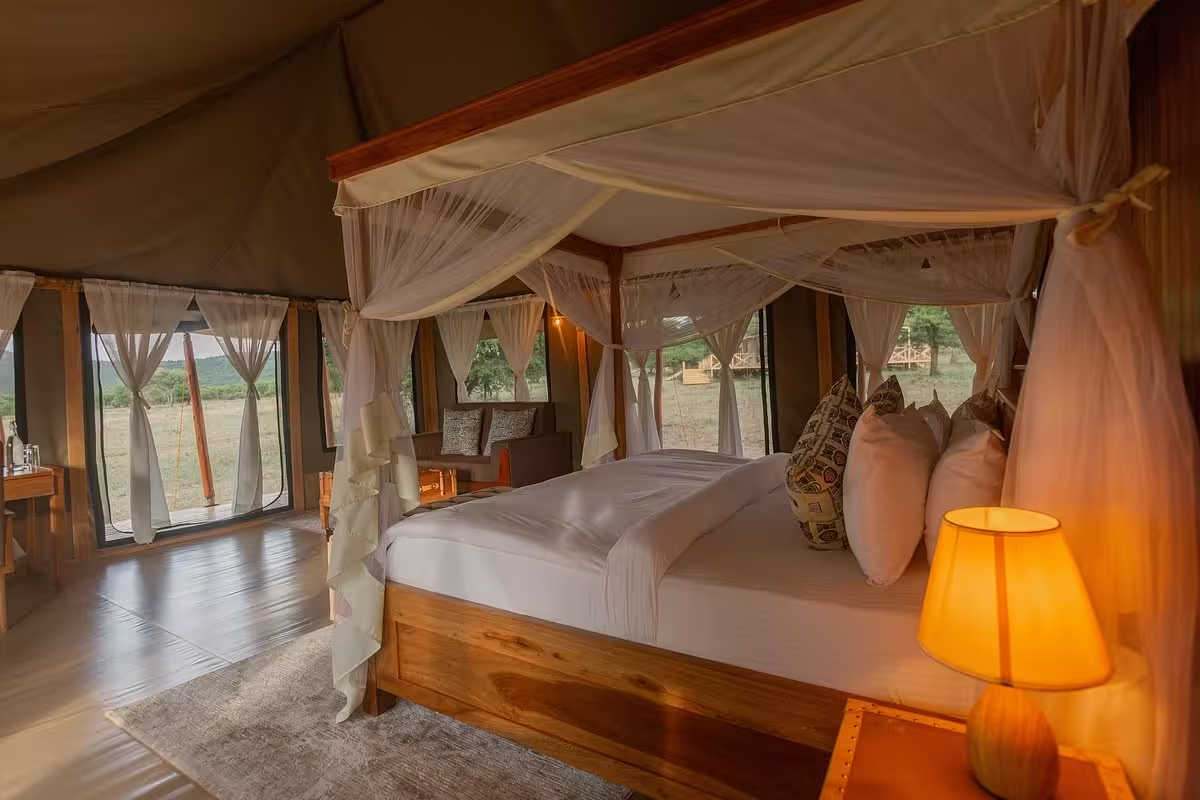
Material selection is one of the most important decisions when furnishing a safari camp. Timber, metal, stone, upholstery and woven materials each offer different advantages, and their suitability depends on the application.
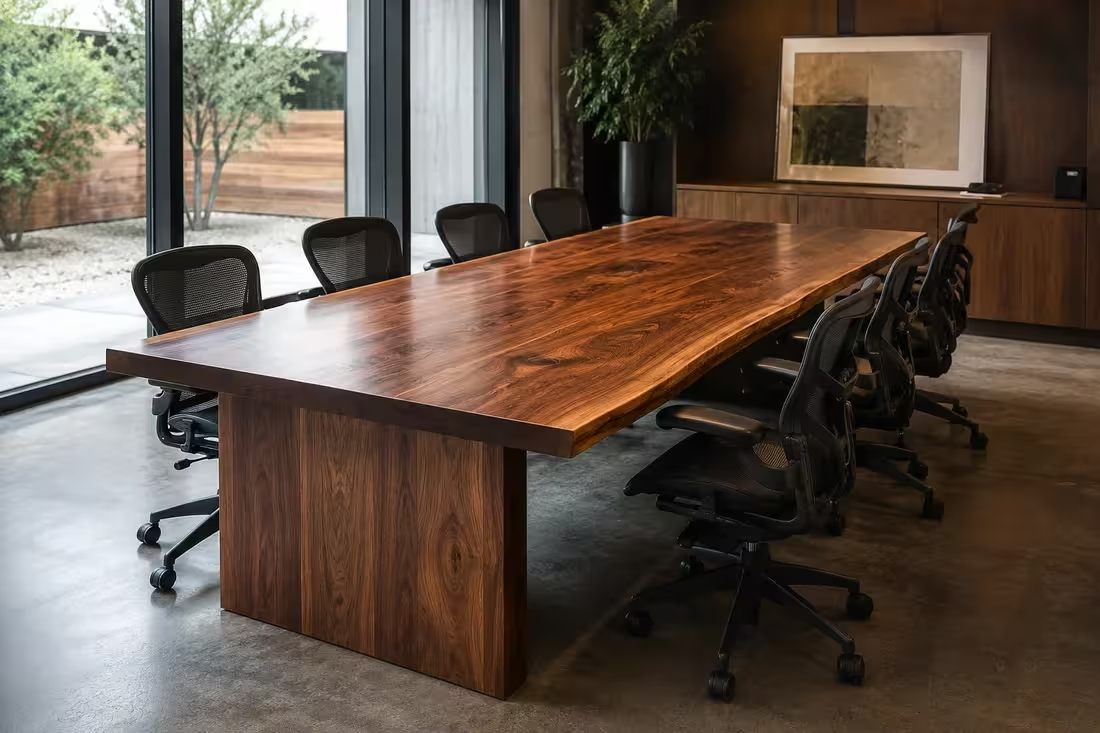
Solid timber furniture
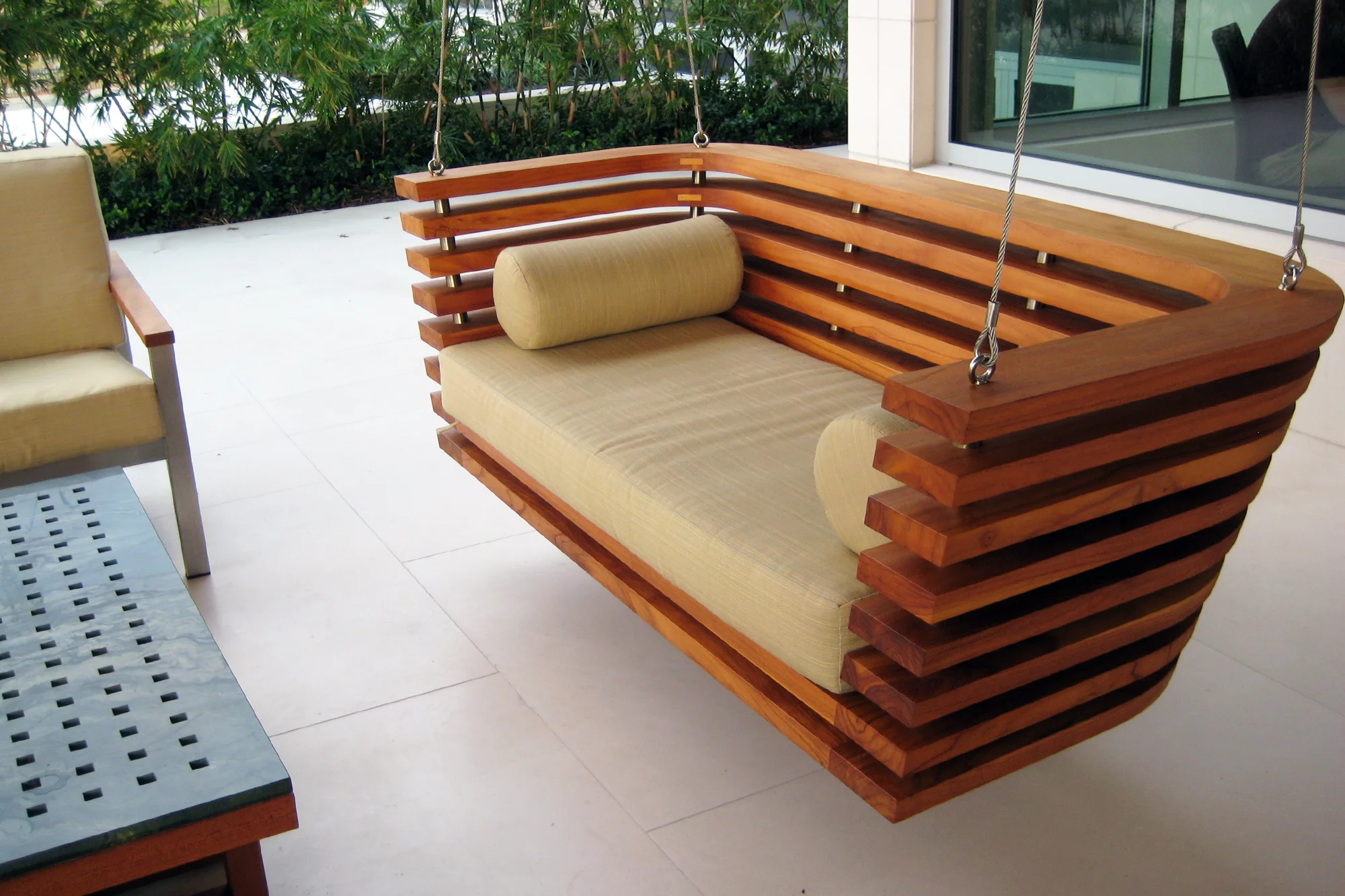
Solid timber is a popular choice for safari lodge interiors because it introduces warmth, natural texture and a connection to the surrounding landscape.
Timber can be used for dining tables, beds, headboards, bedside tables, desks, wardrobes, lounge furniture and statement pieces.
Depending on the design and application, timbers such as teak, iroko and mvule may be worth considering.
However, no timber is automatically suitable for every application. The correct choice depends on the intended environment, dimensions, structural requirements, timber preparation, finish and maintenance plan.
For outdoor furniture, specify timber and construction methods appropriate to the expected level of exposure. Properly prepared timber, well designed joints and a suitable exterior finish all contribute to performance.
Metal components
Metal can provide structural strength and a more contemporary appearance when combined with timber.
It is particularly useful for selected table bases, chair frames, shelving and architectural details. For outdoor applications, specify suitable corrosion protection, such as an appropriate powder coated finish, and consider the local moisture conditions.
Upholstery and woven materials
Upholstery contributes to comfort in guest rooms, lounges and reception areas. Woven cane and rattan can introduce texture and visual lightness to protected interior spaces.
The practical requirements should determine the specification. Consider fabric durability, ease of cleaning, replacement options and the level of exposure to sunlight or moisture.
Natural woven materials should not automatically be used in fully exposed outdoor areas. Their performance depends on the material, construction and environmental conditions.
Natural stone and other surfaces
Natural stone can be used for selected tabletops, counters and vanity surfaces where the design requires a substantial, tactile finish.
The stone should be selected according to its intended use, with suitable sealing, support and cleaning requirements considered from the beginning.
| Material | Where it works well | Key considerations |
|---|---|---|
| Solid timber | Beds, headboards, dining tables, desks, wardrobes, lounge pieces and statement furniture | Timber preparation, structural dimensions, finish suitability and the maintenance plan for the environment |
| Metal | Table bases, chair frames, shelving and architectural details | Corrosion protection such as a suitable powder coated finish, especially in humid or coastal conditions |
| Upholstery and woven materials | Guest room seating, lounges, reception areas and protected verandas | Fabric durability, ease of cleaning, replacement options and exposure to sunlight or moisture |
| Natural stone | Tabletops, counters and vanity surfaces | Selection according to intended use, with sealing, support and cleaning requirements planned from the start |
The key principle is to specify materials for the environment in which they will operate, not simply for their appearance in a showroom.
Prioritise Durability and Ease of Maintenance
Furniture in a safari camp may experience frequent use, regular housekeeping, guest luggage handling and environmental exposure. In remote properties, replacing damaged furniture can also involve considerable transport and coordination.
For these reasons, durability should be considered during the design stage rather than after installation.
When evaluating furniture, examine the following factors:
Construction quality: Check the stability of tables, the strength of chair frames, the quality of joinery and the support provided to larger furniture pieces.
Surface finishing: Finishes should be appropriate for the intended use. Dining tables require surfaces that can tolerate regular cleaning, while outdoor timber furniture needs a finish and maintenance plan suitable for weather exposure.
Repairability: Ask whether individual components can be repaired or replaced without discarding the entire piece. Replaceable upholstery, accessible fixings and repairable construction can simplify maintenance.
Hardware quality: Hinges, handles, drawer runners, screws and other fittings should be specified according to the expected workload and environmental conditions.
Cleaning requirements: Choose surfaces and designs that housekeeping teams can clean efficiently. Excessively complicated details may increase cleaning time without adding practical value.
A well designed furniture package should support daily operations while retaining its appearance and function over time.
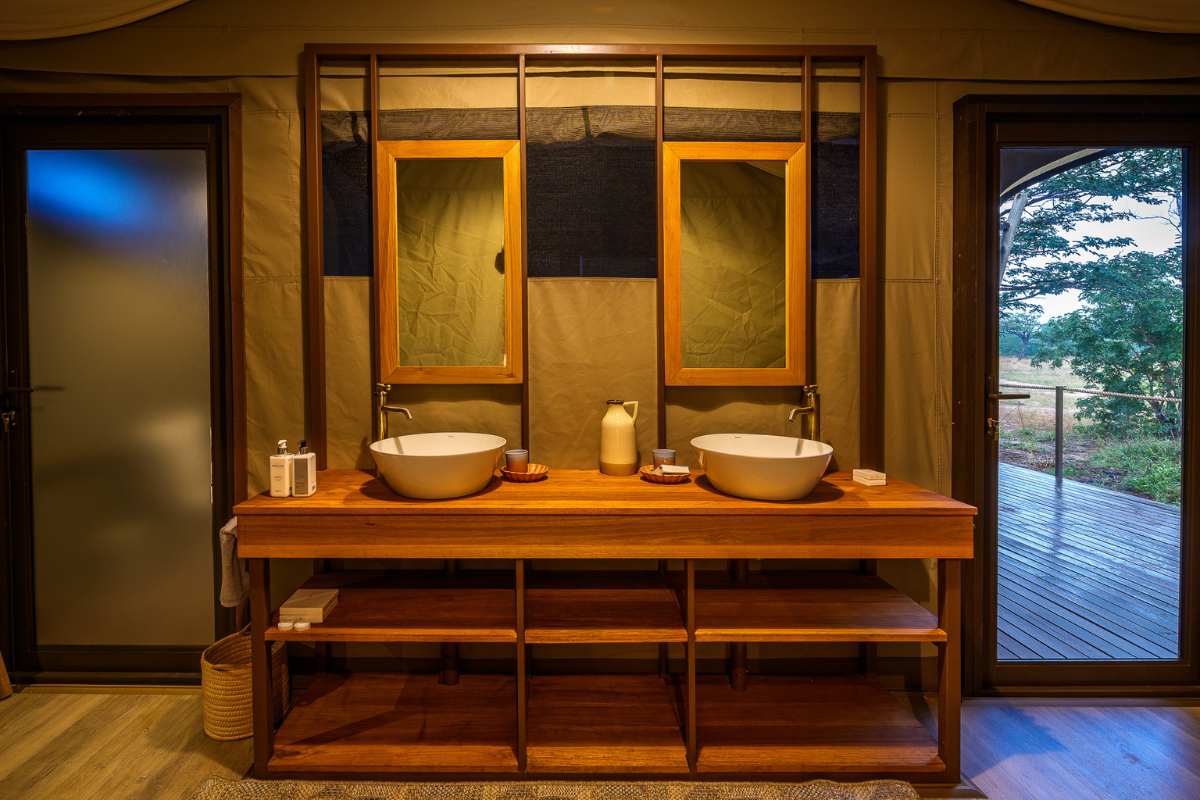
Match the Furniture to the Safari Camp's Design Identity
A safari camp should feel connected to its location. Furniture plays an important role in establishing that identity, from the reception area to the guest rooms and outdoor dining spaces.
However, creating an authentic safari atmosphere does not require every item to look rustic or traditionally themed.
A contemporary camp might combine clean lined timber furniture with neutral upholstery, restrained metal details and natural textures. A more traditional property might favour substantial timber pieces, woven elements and warmer finishes.
Consider three complementary design directions:
Contemporary African design
This approach combines natural materials with clean silhouettes, restrained detailing and a considered colour palette. It suits properties seeking a refined, modern atmosphere.
Natural rustic design
This style emphasises timber grain, tactile surfaces, earthy colours and a more informal relationship with the landscape. It can work particularly well in camps that prioritise a relaxed, nature oriented guest experience.
Refined luxury design
This approach combines carefully selected timber, upholstered seating, distinctive statement pieces and coordinated finishes. The objective is to create a premium atmosphere without compromising comfort or functionality.
Whichever direction you choose, maintain a consistent design language across the property. Repeating selected timber finishes, metal details and upholstery colours helps create continuity between different spaces.
Select Furniture According to Each Functional Area
A safari camp usually requires several categories of furniture. Planning them together helps maintain consistency while ensuring each area meets its practical requirements.
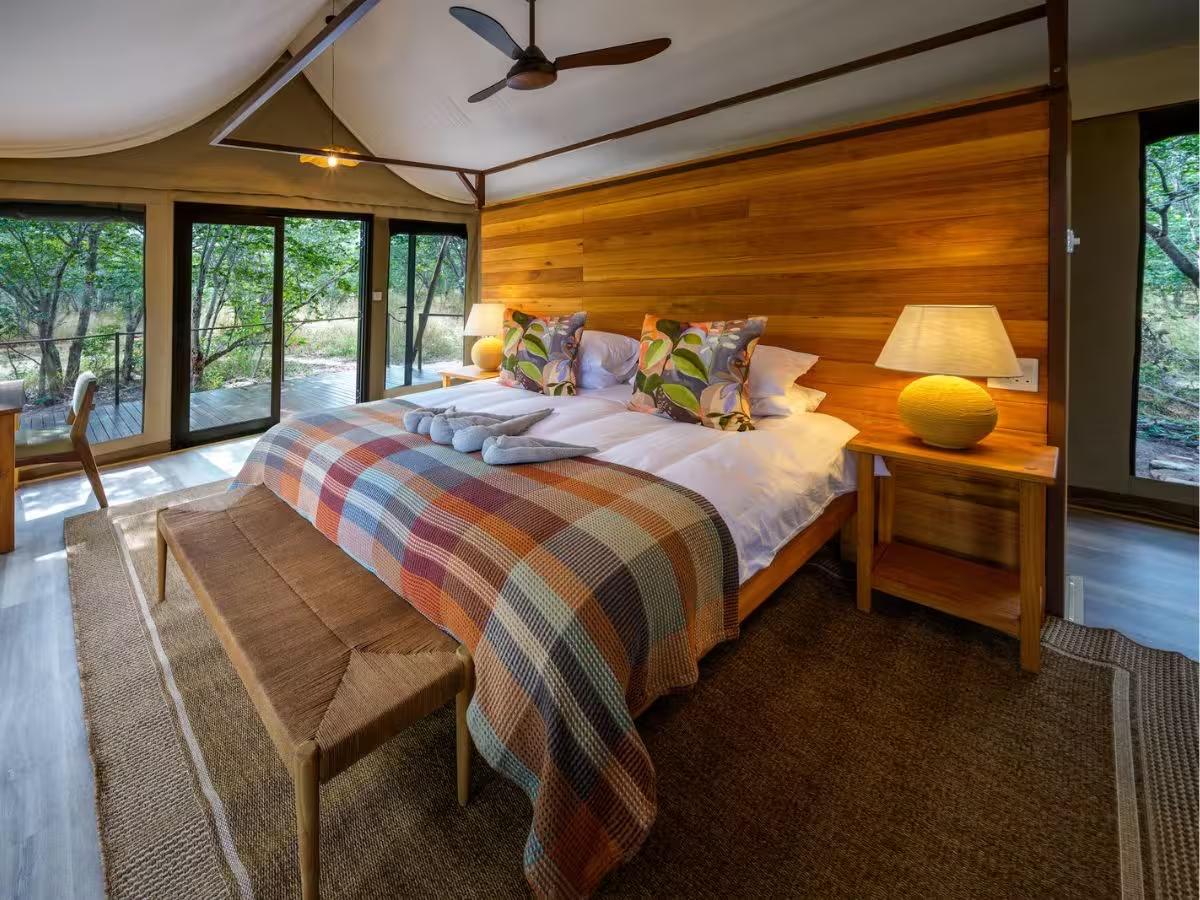
Guest bedrooms
Guest rooms should provide comfort, storage and enough circulation space for guests and housekeeping staff.
Essential furniture may include:
- Beds and headboards
- Bedside tables
- Wardrobes or luggage storage
- Writing desks or compact work surfaces
- Luggage racks
- Occasional chairs or benches
Before approving the design, check mattress dimensions, bedside access, wardrobe capacity and the space needed to move around the room.
Custom furniture is particularly useful when rooms have unusual dimensions or when the property requires a consistent specification across several accommodation units.
Restaurant and dining areas
Dining furniture should accommodate the intended number of guests without overcrowding the space.
Consider table dimensions, chair comfort, circulation routes, cleaning access and the relationship between the dining area and service points.
For outdoor dining, standard dining height tables are generally more practical for meals than low lounge style tables. Furniture intended for open terraces should be specified for the actual level of weather exposure.
Lounge and communal areas
Lounge furniture influences how guests relax, socialise and experience the property between activities.
Combine comfortable seating with appropriately sized coffee tables and occasional tables. Leave sufficient space for guests and staff to move freely.
The layout should reflect the expected use of the area, whether it is designed for quiet relaxation, conversation, reading or group gatherings.
Reception and bar areas
Reception desks and bar counters should combine appearance with practical working dimensions.
Consider staff movement, storage, equipment placement, cable routing and the surfaces required for daily service. A visually attractive counter that does not support efficient operations can create avoidable problems after installation.
| Area | Core furniture | What to confirm before approving |
|---|---|---|
| Guest bedrooms | Beds, headboards, bedside tables, wardrobes, desks, luggage racks and occasional seating | Mattress dimensions, bedside access, wardrobe capacity and circulation space for guests and housekeeping |
| Restaurant and dining areas | Dining tables, dining chairs and service sideboards | Table dimensions, chair comfort, circulation routes, cleaning access and the relationship to service points |
| Lounge and communal areas | Sofas, armchairs, coffee tables and occasional tables | Seating comfort, table sizing and enough floor area for guests and staff to move freely |
| Reception and bar areas | Reception desks, bar counters, consoles and guest seating | Staff movement, storage, equipment placement, cable routing and durable working surfaces |
Do Not Overlook Outdoor Furniture
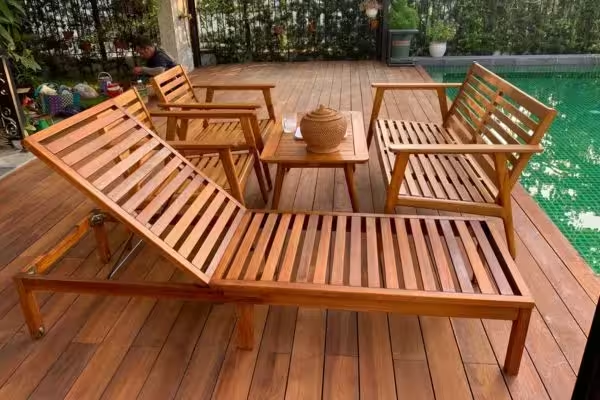
Outdoor spaces are often important parts of the safari camp experience. Terraces, verandas, gardens and outdoor dining areas allow guests to enjoy the surrounding landscape.
However, outdoor furniture requires a different specification from furniture intended for protected interiors.
Before selecting a design, establish whether each piece will be used in a covered, semi exposed or fully exposed area.
For timber furniture, consider:
- Timber suitability for exterior use
- Appropriate drying and preparation
- Moisture management and drainage
- Construction that accommodates natural timber movement
- Weather appropriate finishes
- Corrosion resistant hardware where required
- A realistic inspection and maintenance schedule
Avoid assuming that a particular timber or coating makes furniture completely maintenance free. Outdoor performance depends on the entire specification, including design, workmanship, installation and ongoing care.
For upholstered outdoor seating, select fabrics and filling materials designed for the expected conditions. Removable covers can make cleaning and replacement easier.
A practical outdoor furniture specification should reflect the local environment and the property's capacity to maintain it.
Consider Custom Furniture for a Cohesive Result
Ready made furniture can be appropriate when standard dimensions, quick availability and straightforward replacement are the main priorities.
Custom furniture becomes particularly valuable when a safari camp requires precise dimensions, a distinctive design, coordinated finishes or a complete furniture package.
A bespoke approach allows the furniture to be developed around the architecture and operational requirements of the property.
Potential benefits include:
- Space efficiency: Furniture can be sized to suit individual rooms, terraces and communal areas.
- Design consistency: Selected materials, colours and detailing can be coordinated throughout the property.
- Application specific construction: Individual pieces can be specified according to their intended use.
- Project coordination: Furniture schedules, drawings and measurements can be reviewed alongside the wider interior design.
- Greater control over details: Dimensions, storage arrangements, finishes and selected materials can be agreed before production.
For larger projects, it is useful to prepare a furniture schedule showing the required item, quantity, dimensions, material, finish and intended location.
Where appropriate, approve a sample or prototype before proceeding with a larger production run.
At ZANOVA, we design and manufacture custom furniture for hospitality environments, helping clients coordinate furniture requirements around their spaces, design objectives and intended applications.
Evaluate the Total Cost, Not Just the Purchase Price
The lowest initial price does not always represent the best value over the life of a safari camp.
Furniture costs can include design, materials, manufacturing, finishing, transport, installation, cleaning, repairs and eventual replacement.
When comparing quotations, check that suppliers are pricing comparable specifications.
For example, two dining tables may look similar in photographs but differ in timber, dimensions, construction, finish and expected maintenance requirements.
Ask prospective suppliers to clarify:
- The materials and construction methods included
- Dimensions and quantities
- Finishing specifications
- Whether installation is included
- Transport and delivery arrangements
- Expected production lead times
- Maintenance recommendations
- Warranty terms, where applicable
For remote camps, transportation and access should be considered early. Large furniture pieces may require knock down construction, modular components or alternative installation methods to accommodate site access.
A properly planned furniture package helps reduce unexpected costs and makes it easier to coordinate procurement with the construction or renovation schedule.
Choose a Furniture Manufacturer With Relevant Experience
The furniture manufacturer you select can influence the quality, consistency and delivery of the finished project.
When assessing potential suppliers, look beyond photographs and initial prices. Consider their manufacturing capabilities, communication and ability to work with project specific requirements.
Useful questions include:
Can the manufacturer work from drawings and measurements?
This is important when the project involves architects, interior designers or a coordinated construction programme.
Can they advise on material suitability?
The supplier should be able to explain the practical differences between materials and identify the factors affecting their suitability for indoor or outdoor use.
Can they maintain consistency across multiple pieces?
Guest rooms, dining areas and communal spaces may require repeated furniture designs with matching dimensions and finishes.
Can they coordinate production and installation?
Clear communication about quantities, specifications, delivery and installation helps minimise problems during project completion.
Can they support the project from planning to quotation?
A structured process should establish the scope of work, required measurements, material choices and quantities before the final quotation is prepared.
For safari camps, this level of planning is particularly important when furniture must be delivered to a remote site or coordinated with a scheduled opening.
Plan Your Furniture Project Early
Furniture procurement should begin during the design and planning stage, not only when the building is almost complete.
Early coordination allows time to confirm dimensions, compare materials, approve designs and schedule production.
A practical sequence is:
- Assess the property: Identify each area to be furnished and its intended use.
- Prepare a furniture list: Record the items, quantities and approximate dimensions required.
- Establish the design direction: Agree on the overall aesthetic, preferred materials and finishes.
- Review the technical requirements: Confirm construction, storage, maintenance and environmental considerations.
- Request a detailed quotation: Compare suppliers using consistent specifications.
- Approve designs and samples: Resolve important details before full production.
- Coordinate delivery and installation: Account for access, transport, site readiness and the project schedule.
- Plan ongoing maintenance: Establish suitable cleaning, inspection and refinishing procedures.
The exact timeline will depend on the scale and complexity of the project, material availability and installation requirements. Large hospitality projects should allow sufficient time for design approval and coordinated production.
Choose safari camp furniture according to the environment, operational requirements and design of the property. A coordinated furniture specification, appropriate materials and early collaboration with the manufacturer can help create a guest experience that is both distinctive and practical.
Frequently Asked Questions About Safari Camp Furniture in Tanzania
What is the best furniture for a safari camp in Tanzania?
The best furniture depends on the location, design, intended use and maintenance requirements. Solid timber, appropriately specified metal, durable upholstery and selected woven materials can all be suitable for different applications. Material selection should account for environmental exposure, construction quality and the property's operating conditions.
Which wood is suitable for safari lodge furniture?
Teak, iroko and mvule are among the timbers that may be considered for safari lodge projects. Their suitability depends on the specific application, timber preparation, dimensions, finish, availability and exposure to moisture or sunlight. Outdoor furniture requires particular attention to construction and maintenance.
How do I choose outdoor furniture for a safari lodge?
Begin by identifying whether the furniture will be covered, semi exposed or fully exposed. Consider weather resistant materials, suitable finishes, moisture management, corrosion resistant hardware and ease of maintenance. The design should also support guest comfort, cleaning and the intended use of the space.
Is custom furniture suitable for safari camps?
Yes. Custom furniture can be designed around individual room dimensions, architectural details, guest capacity and the property's design identity. It can also help coordinate furniture specifications across guest rooms, restaurants, lounges, reception areas and outdoor spaces.
What furniture does a safari lodge need?
Typical requirements include beds, headboards, bedside tables, wardrobes, luggage racks, desks, dining tables, dining chairs, lounge seating, coffee tables, reception desks, bar furniture and outdoor seating. The final list depends on the property's size, facilities and service model.
How much does it cost to furnish a safari camp in Tanzania?
The cost depends on the number of rooms, furniture quantities, materials, dimensions, design complexity, finishing, transport and installation requirements. A detailed furniture schedule and project measurements provide a more reliable basis for preparing a quotation than an estimated price per room alone.
When should I order furniture for a new safari camp?
Begin discussions during the design or construction planning stage. Early engagement provides time to finalise specifications, confirm materials, approve samples, coordinate manufacturing and arrange delivery before the planned opening.
Can ZANOVA provide custom furniture for a safari lodge in Tanzania?
ZANOVA designs and manufactures custom furniture for hospitality projects, including safari camps and lodges. To discuss a project, provide the location, furniture requirements, approximate quantities, available measurements and preferred design references through the ZANOVA website.
Work With ZANOVA on Your Safari Camp Furniture
Choosing the right furniture can help a safari camp deliver a more comfortable guest experience, maintain a distinctive design identity and manage long term operating requirements.
The most effective furniture solutions begin with an understanding of the property: its location, architectural character, guest capacity, operational demands and budget.
ZANOVA designs and manufactures custom furniture for safari camps, lodges, hotels, restaurants and other hospitality spaces in Tanzania. Our work brings together material selection, furniture design, manufacturing, finishing and project coordination.
Whether you are furnishing a new safari camp, renovating guest rooms, upgrading a restaurant or planning outdoor dining furniture, we can discuss the requirements and develop a suitable furniture specification.
Planning a safari camp or lodge project in Tanzania?
Visit ZANOVA Furniture to explore our furniture and project work.
To begin a consultation, share your project location, the areas you need to furnish, approximate quantities, available measurements and preferred design references. These details help establish the scope of work and prepare an appropriate quotation.
Contact ZANOVA to discuss your safari camp furniture requirements and develop a suitable specification for your project.