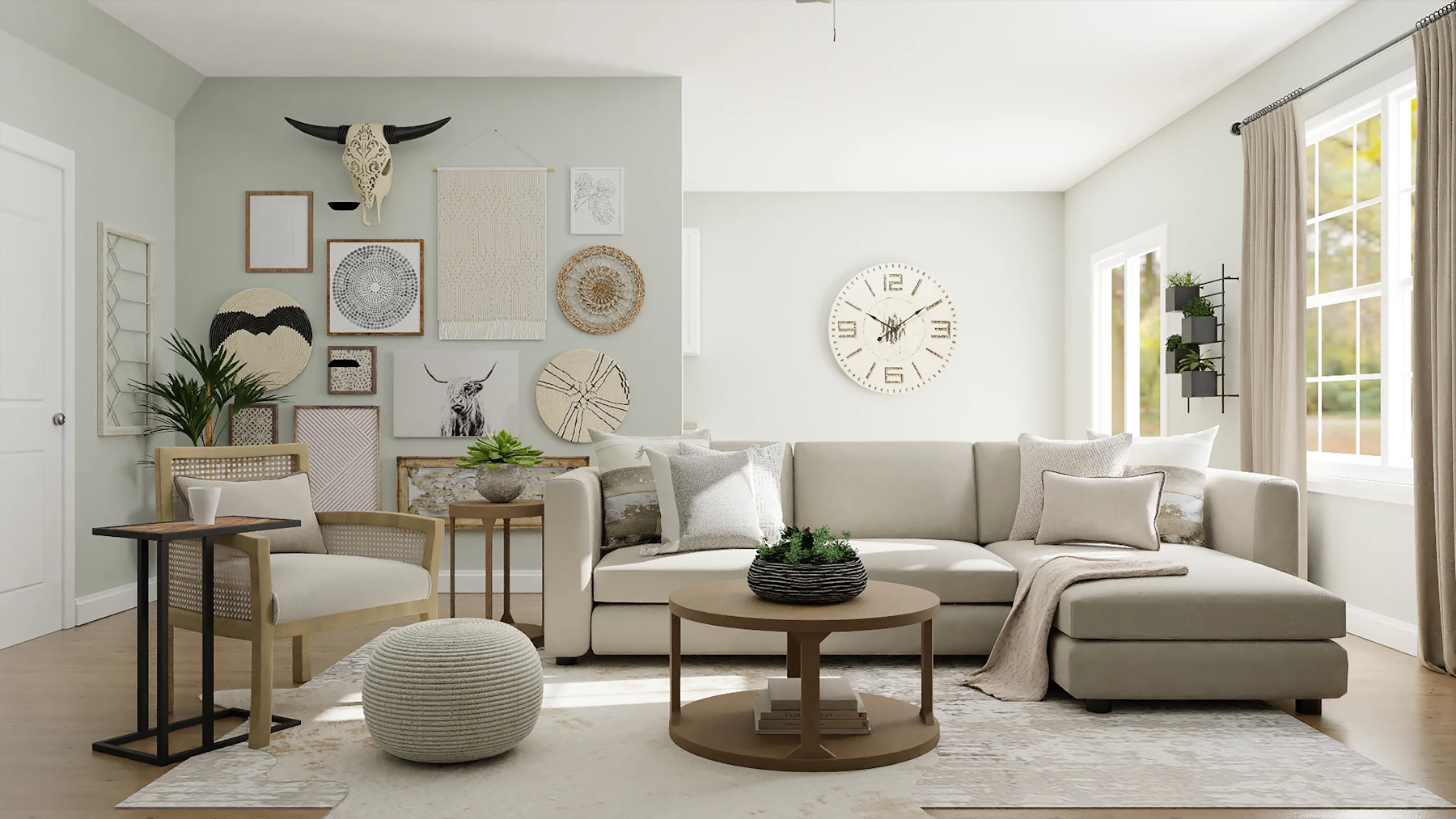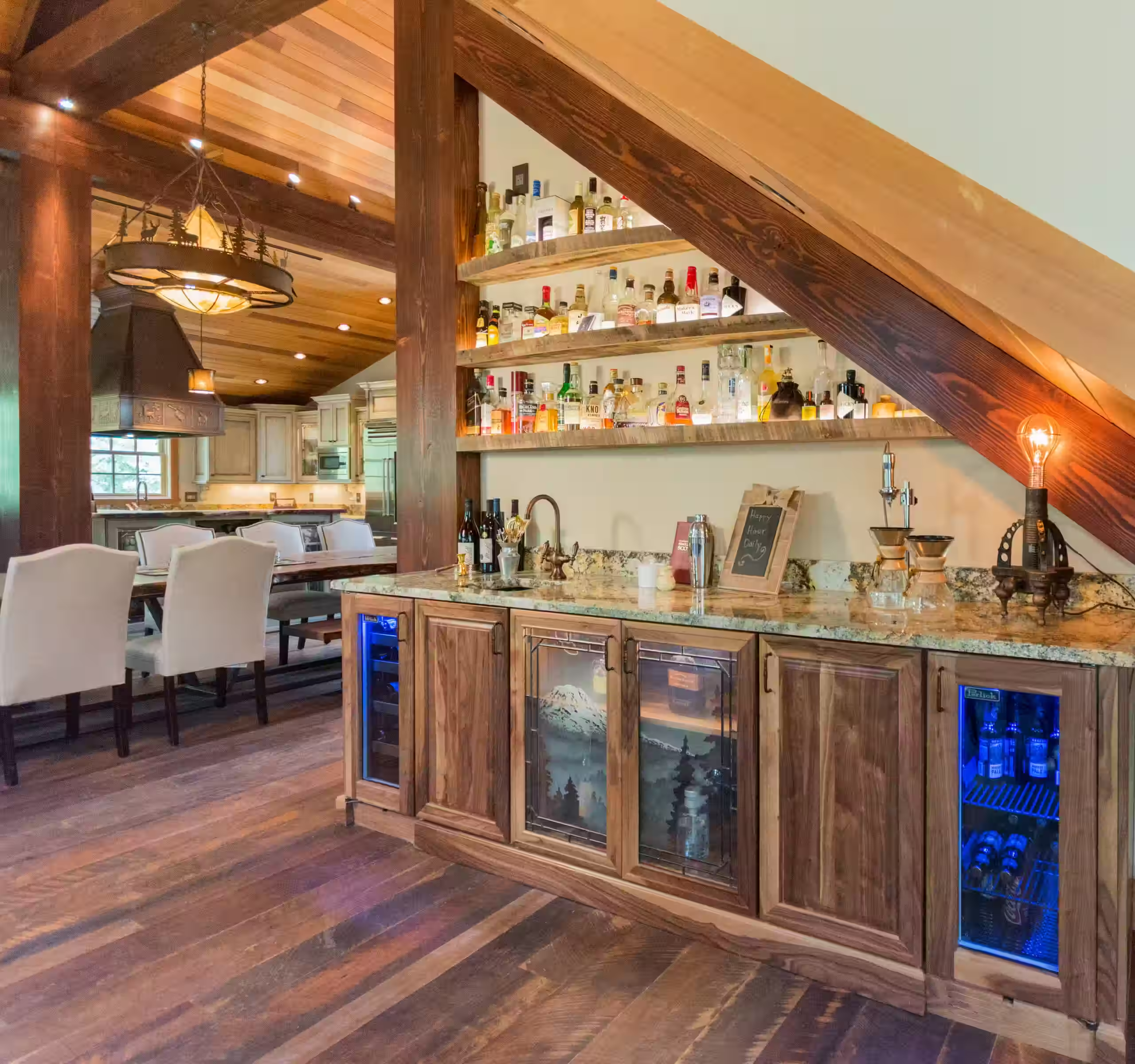
Design, 5 min read
An office that behaves like a room
Why workplace furniture keeps borrowing from residential interiors, and where it should stop.
Naomi Kessy, 25 June 2026
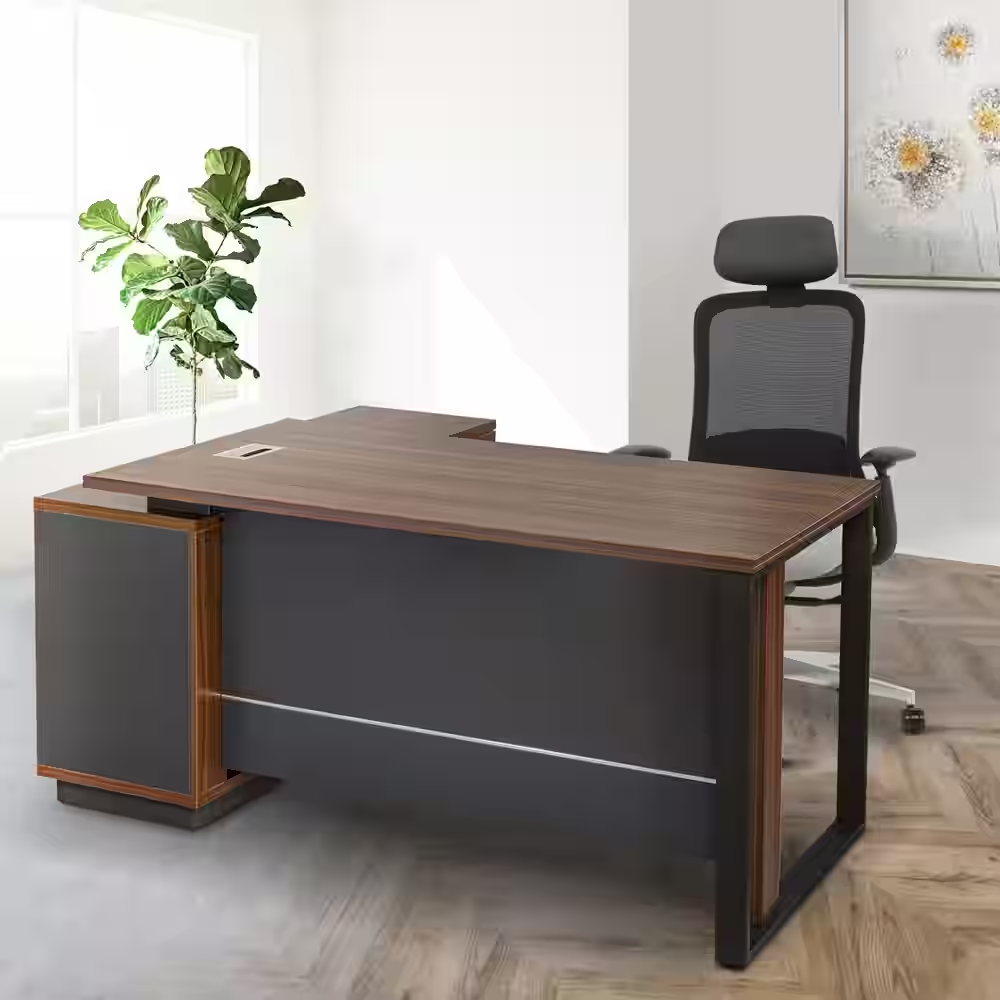
The office has been borrowing from the living room for a decade, and mostly to its benefit. Soft seating, warm timber and residential proportions have made workplaces humane. The failures start when the borrowing stops being selective.
Warmth without softness where it counts
Communal and circulation areas can take residential language entirely. Work positions cannot: task heights, screen angles, cable routes and lumbar support are ergonomics, not aesthetics, and no amount of oak changes them.
An office should feel calm at eight and still be standing at six.
Where residential language fails
Storage, power and cleaning are the three quiet failures. Domestic pieces hide cables instead of routing them, sit proud of the floor where vacuums catch them, and offer drawers that will not survive daily use by a team that shares them.

The resolution is not a compromise between the two. It is residential comfort at the surfaces people meet, and contract construction everywhere the piece touches the building.